Buying land in Gallatin Gateway can look simple at first glance, but a beautiful parcel does not always mean a simple build. If you are thinking about buying land here, you need to look past the listing photos and understand the rules, access, utilities, and site constraints tied to that specific lot. A careful review upfront can help you avoid surprises, protect your budget, and make a smarter decision with confidence. Let’s dive in.
Why parcel-specific review matters
In Gallatin Gateway, due diligence is not just about the community name. Gallatin County planning documents describe a Town Core and surrounding rural areas, and the county’s zoning process requires you to identify the parcel’s zoning district and sub-district first, then review the regulations that apply.
That means two nearby properties can come with very different rules and expectations. A parcel’s legal map layers, recorded documents, and service boundaries often matter more than what the land looks like from the road.
Start with zoning and land use rules
One of the first things you should review is zoning. Gallatin County states that land use permits are required in all zoning districts, and buyers should use the county mapper to identify the parcel’s zoning district and sub-district before reading the matching regulations.
As you review those regulations, pay close attention to:
- Permitted uses
- Setbacks
- Building height limits
- Density rules
- Floor area limits
- Accessory structure standards
These details can shape what you can actually build and how the site can be used. If you are buying with plans for a home, guest structure, shop, or future development, zoning should be one of your first filters.
Understand Gallatin Gateway context
Gallatin County’s community plan for Gallatin Gateway describes a Town Core and a surrounding rural area. The plan says growth should generally be focused in the Town Core to help preserve rural character and reduce conflicts with agriculture.
For you as a buyer, that helps explain why one parcel may support a different intensity of use than another nearby parcel. It also gives useful context for design compatibility, density expectations, and how the area may be reviewed in the future.
Review covenants, plats, and easements
Zoning is only one layer of the picture. Recorded covenants and plats are available through the County Clerk and Recorder, and they can contain restrictions that affect how the property can be used or improved.
Before you assume a parcel is buildable the way it appears on a map, review:
- CC&Rs
- Plat notes
- Recorded easements
- Subdivision-specific restrictions
- Any applicable development guides or design manuals
Some parcels in special plan areas may be governed by more than one set of rules. That is why it is important to confirm every layer that applies before moving forward.
Confirm legal access and road details
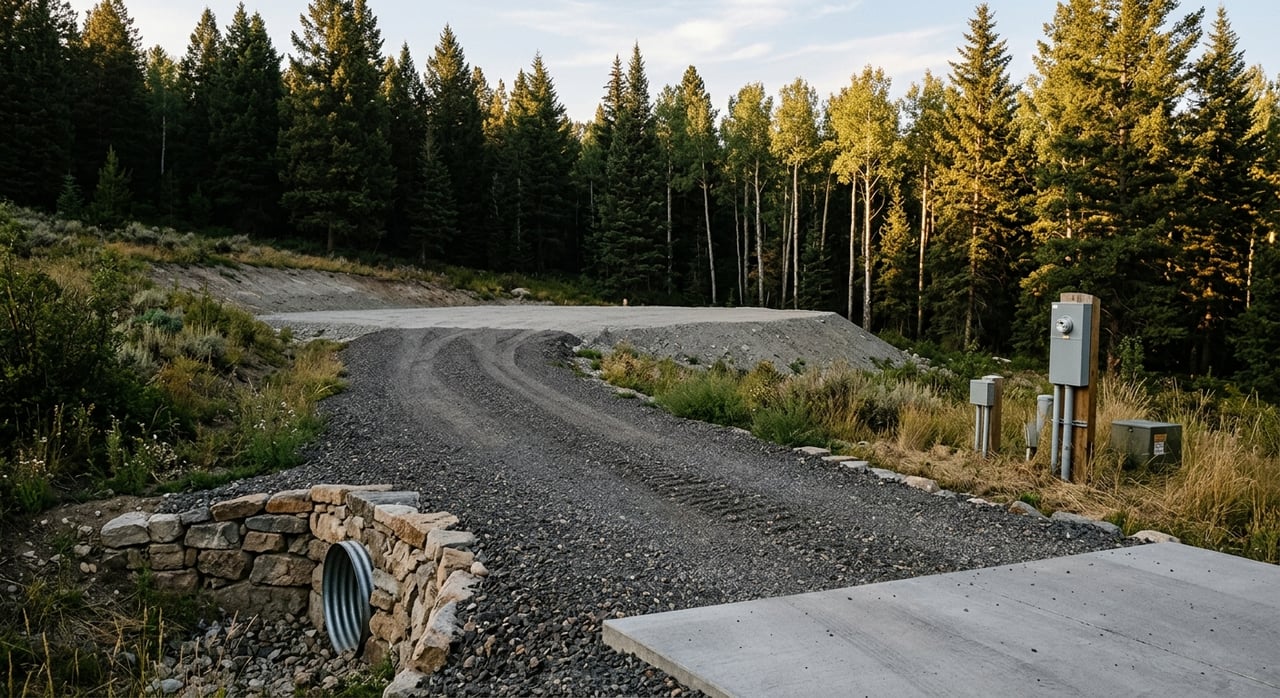
Access is about more than seeing a driveway or dirt road. You should confirm whether the parcel has legal, year-round access over a public right-of-way or a recorded easement.
Gallatin County’s subdivision regulations require applicants to explain whether year-round access by conventional automobile will be available over legal rights-of-way. They also address how new public or private access roads are described and whether there is direct access to arterial roads.
Questions to ask about access
When reviewing a land purchase, ask:
- Is access public or private?
- Is there a recorded easement if access crosses another property?
- Is access available year-round by conventional vehicle?
- Who maintains the road?
- Will you need a new driveway permit?
If your planned driveway creates new access off a county-maintained road, Gallatin County says a Road Access Permit is required. The county GIS office also issues official physical addresses under county addressing and road-naming rules.
Know who maintains the road
This is especially important with private roads and subdivision roads. Gallatin County’s transportation standards and subdivision regulations make it clear that dedicated subdivision roads are not county roads until the County formally adopts them, and the County does not accept maintenance responsibility until that happens.
For you, that distinction matters if you expect county plowing, maintenance, or future acceptance of the road. If the parcel is served by a private or HOA-managed road, make sure you understand the long-term maintenance setup before you buy.
Verify water, sewer, septic, and utility service
Utility assumptions can get expensive fast. In Gallatin Gateway, you should confirm early whether the parcel is served by a district system, private systems, or a combination of both.
Gallatin Gateway has an official water and sewer district, and the Gallatin Local Water Quality District includes Gallatin Gateway and Four Corners in its service area. Before buying, confirm whether the parcel is within a district, whether connection is possible, and what fees, rules, or capacity limits may apply.
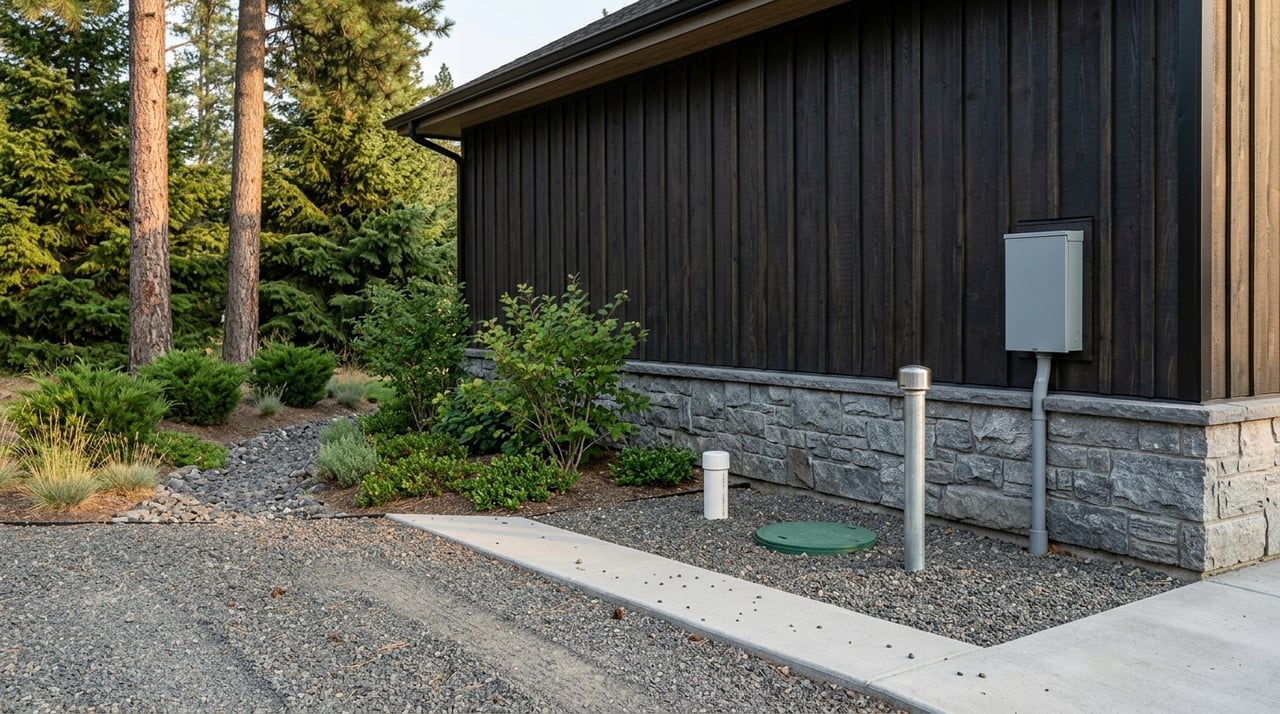
If the property will need septic
If the parcel will use a private septic system, Gallatin County Environmental Health says a wastewater treatment system permit is always required before installation. Site evaluations must be completed by a Gallatin County registered site evaluator or a Montana-registered professional engineer, and a registered installer must be on-site during installation.
That means you should not assume a parcel can support septic just because nearby homes have it. The site itself still needs proper evaluation and permitting.
If the property will need a private well
If the parcel will use a private well, Montana DEQ says private drinking wells are not regulated the same way as public systems, and water safety is not guaranteed. Well owners are responsible for water quality, and DEQ recommends at least annual testing for nitrate and bacteria.
It is also important to know that well records and water-right records are separate due diligence items. Montana’s well log form states that acquiring water rights is the well owner’s responsibility and is not handled simply by filing the well log.
Utility service for larger plans
If you are looking at land for subdivision or more involved development, Gallatin County requires evidence that physical water is available and that water uses are legally authorized before infrastructure is installed. The county also requires written statements from utility companies confirming that the proposed subdivision can be served.
This matters if you are buying for future lot development, not just a single home site. Utility availability should be verified, not assumed.
Check slope, drainage, and site constraints
A buildable parcel on paper may still come with meaningful construction challenges. Gallatin County’s transportation standards note that topography affects road grades and design, and the subdivision regulations say lot and block dimensions should support normal construction and work with the site’s topography.
In practical terms, slope, drainage, and lot shape can affect:
- Driveway design
- Road costs
- Septic layout
- Retaining wall needs
- Foundation work
- Overall construction budget
Even if a parcel is legally buildable, site conditions can change the cost and complexity of your project. This is one reason land buyers should look beyond acreage and views.
Review floodplain and river-related risk
Flood risk should be reviewed separately from slope and drainage. Gallatin County says its floodplain boundaries are based on the FEMA Flood Insurance Study effective April 21, 2021, but the county also warns that those maps do not represent all flood threats.
The county also offers channel migration studies for major rivers in the county. Within the regulatory floodplain, permits may be required for grading, excavation, fill, bank stabilization, and structures.
Why this matters in Gallatin Gateway
This is especially relevant for parcels near the Gallatin River. Gallatin County’s community plan says new development near the river should avoid the floodplain and set back from riparian habitat.
If you are considering land near water, ask whether floodplain, floodway, channel migration, or riparian constraints could affect where a home, septic system, well, or access road can go. A parcel may have water frontage or nearby river access, but still come with important siting limitations.
Understand the permit path before you offer
Before making an offer, make sure you understand the likely approval path. Gallatin County states that a land use permit is required in every zoning district.
The county also says that for building permits outside Bozeman and Belgrade, buyers must contact the State Building Department because Gallatin County does not issue building permits. For Gallatin Gateway land, that means you should confirm the zoning path, the building permit path, and any subdivision review path before you assume the project will be straightforward.
Good pre-offer questions to ask
If you plan to build, subdivide, or hold the parcel for future development, these are smart early questions:
- What zoning district and sub-district apply?
- What permits will likely be required?
- Is legal year-round access in place?
- Who maintains the road?
- Can water and sewer service be provided, or will septic and a well be needed?
- Are there floodplain or channel migration concerns?
- How will utilities, drainage, and emergency access be handled?
- If development is planned, can service providers support it?
These are the same kinds of issues Gallatin County reviews for subdivision proposals. Asking them early can help you avoid buying land that does not match your goals.
A practical land review checklist
Before you move forward on a Gallatin Gateway parcel, review this checklist:
- Confirm the parcel’s zoning district and sub-district, then read the applicable regulations
- Review the recorded plat, covenants, easements, and any subdivision-specific restrictions
- Verify legal, year-round access and whether a road access permit may be needed
- Confirm whether water and sewer are public, private, or district-based
- If a private well is planned, request the well log and review water-right considerations
- If septic is planned, verify site evaluation and permit requirements
- Check floodplain and channel migration maps
- Review slope, drainage, and other physical site constraints
- Clarify the permit path for land use, building, and any future subdivision plans
Final thoughts on buying land wisely
Buying land in Gallatin Gateway can open the door to a custom home, a long-term hold, or a future development opportunity, but only if the parcel truly fits your plans. The most successful land buyers are the ones who slow down, verify the facts, and understand the legal and physical limits of the property before they commit.
If you want a practical, local sounding board while you evaluate acreage or lots in Gallatin Gateway, Ryan Martello Real Estate can help you think through the questions that matter and approach the process with clarity.
FAQs
What should you check first before buying land in Gallatin Gateway?
- Start by confirming the parcel’s zoning district and sub-district, then review the regulations for permitted uses, setbacks, density, height, and other land use standards.
Do you need to verify legal access for Gallatin Gateway land?
- Yes. You should confirm legal, year-round access over a public right-of-way or a recorded easement, and also ask who maintains the road.
Can a Gallatin Gateway parcel have both zoning rules and private restrictions?
- Yes. A parcel may be subject to county zoning, recorded covenants, plat notes, easements, and in some cases subdivision-specific design rules or development guides.
How do you check water and sewer service for land in Gallatin Gateway?
- Confirm whether the parcel is within the Gallatin Gateway water and sewer service area, whether connection is possible, and what fees, rules, or capacity limits may apply.
What if the Gallatin Gateway land will need septic or a well?
- If septic is needed, verify site evaluation and permit requirements with Gallatin County Environmental Health. If a private well is needed, review the well log, test water quality, and remember that water-right review is a separate step.
Should you review floodplain maps before buying land near the Gallatin River?
- Yes. Floodplain boundaries, channel migration, and riparian constraints can affect where you can place a home, well, septic system, or access road.
Who handles building permits for land in Gallatin Gateway?
- Gallatin County states that for building permits outside Bozeman and Belgrade, buyers must contact the State Building Department, while county land use permit requirements still apply across zoning districts.