If you are thinking about life in Gallatin Gateway, the big question is not just where you will live. It is how you want to live through the whole year. This is a place where river access, trailheads, and mountain travel shape your routine, and where summer ease gives way to a true snow-season mindset. In this guide, you will get a clear picture of what seasonal living in Gallatin Gateway actually feels like, from warm-weather evenings to winter road planning. Let’s dive in.
Gallatin Gateway at a glance
Gallatin Gateway is a Census Designated Place in Gallatin County with a long connection to Gallatin Canyon and Yellowstone travel. The Montana Historical Society notes the community adopted the Gallatin Gateway name in 1928, which reflects that long-standing role as a gateway location.
Daily life here tends to feel tied to the outdoors rather than to an urban schedule. The Gateway River Trail Route #40 runs through Mill Street to the Gallatin River, which says a lot about the local rhythm. Quick walks, river access, and easy transitions from home to recreation are part of what makes the area appealing.
For many buyers, that is the draw. You are in a small-community setting within a larger mountain county, not a dense city environment. If you value open space, seasonal recreation, and a slower pace, Gallatin Gateway can feel like a natural fit.
What the seasons really feel like
Gallatin Gateway has a wide seasonal swing. Regional climate normals from the Bozeman station show July average highs of 82.1°F and lows of 51.7°F, while January averages 34.2°F for highs and 15.1°F for lows.
That contrast matters when you are deciding whether this lifestyle fits you. The area averages 20.03 inches of precipitation and 91.3 inches of snowfall annually, so you get a genuine four-season pattern with a long snow season. Summer is comfortable and active, but winter is not a side note here.
In practical terms, much of the year supports outdoor living, just in different forms. Warm months lean toward river days, hiking, and biking. Colder months shift toward ski travel, snow routines, and careful planning around weather.
Summer in Gallatin Gateway
River access and easy evening plans
Summer living in Gallatin Gateway often feels spontaneous in the best way. The Gallatin River runs past the community after draining from Yellowstone through Gallatin Canyon, and Montana Fish, Wildlife & Parks classifies much of the 115-mile river as blue-ribbon trout water with public-land access along much of its length.
That means some outdoor plans can be simple and close to home. A short evening walk, time by the river, or a quick fishing outing can fit into a regular weekday. The Kirk Wildlife Refuge fishing access site, about 5 miles south of Gallatin Gateway on Highway 191, is open year-round.
Trailheads and canyon recreation
If you like trail access, the area opens up fast. The Bozeman Ranger District includes recreation options such as day hiking, mountain biking, backpacking, and more across nearby public land.
In Gallatin Canyon, Storm Castle Creek Trailhead provides access toward Hyalite Peak and the Gallatin Crest. Spire Rock Campground is another scenic recreation point in the canyon. These are the kinds of places that make Gallatin Gateway feel connected to bigger adventure without requiring a full vacation plan.
Big Sky as a summer day trip
One of the advantages of Gallatin Gateway is how easily it connects you to bigger recreation hubs. Big Sky Resort serves as a major summer day-trip option, with activities during its summer season that include mountain biking, hiking, scenic lift rides, golf, ziplining, archery, disc golf, lake activities, whitewater rafting on the Gallatin River, and fly fishing.
For buyers considering the area, this helps define the local lifestyle. Some activities are close enough for a casual weeknight, while others work better as a planned half-day or full-day outing. Gallatin Gateway gives you access to both kinds of recreation.
Shoulder season comes fast
Fall is beautiful but brief
In mountain markets, shoulder season often feels shorter than you expect. September normals are 71.4°F for highs and 42.4°F for lows, while October drops to 57.3°F and 32.4°F.
That is a meaningful shift in a short time. Early fall can still feel open and active, but the first real cold snaps may arrive quickly. If you live here, you start thinking ahead sooner than you might in milder climates.
Planning becomes part of the routine
This is when seasonal living turns practical. Boats, bikes, fishing gear, and hiking equipment start giving way to winter tires, snow gear, and ski storage. Buyers who enjoy four-season living usually do well here when they embrace that rhythm rather than resist it.
A home that works well in July should also work well in October and January. Storage, entry flow, and room for gear matter more than many first-time mountain buyers expect.
Winter in Gallatin Gateway
A true snow-season lifestyle
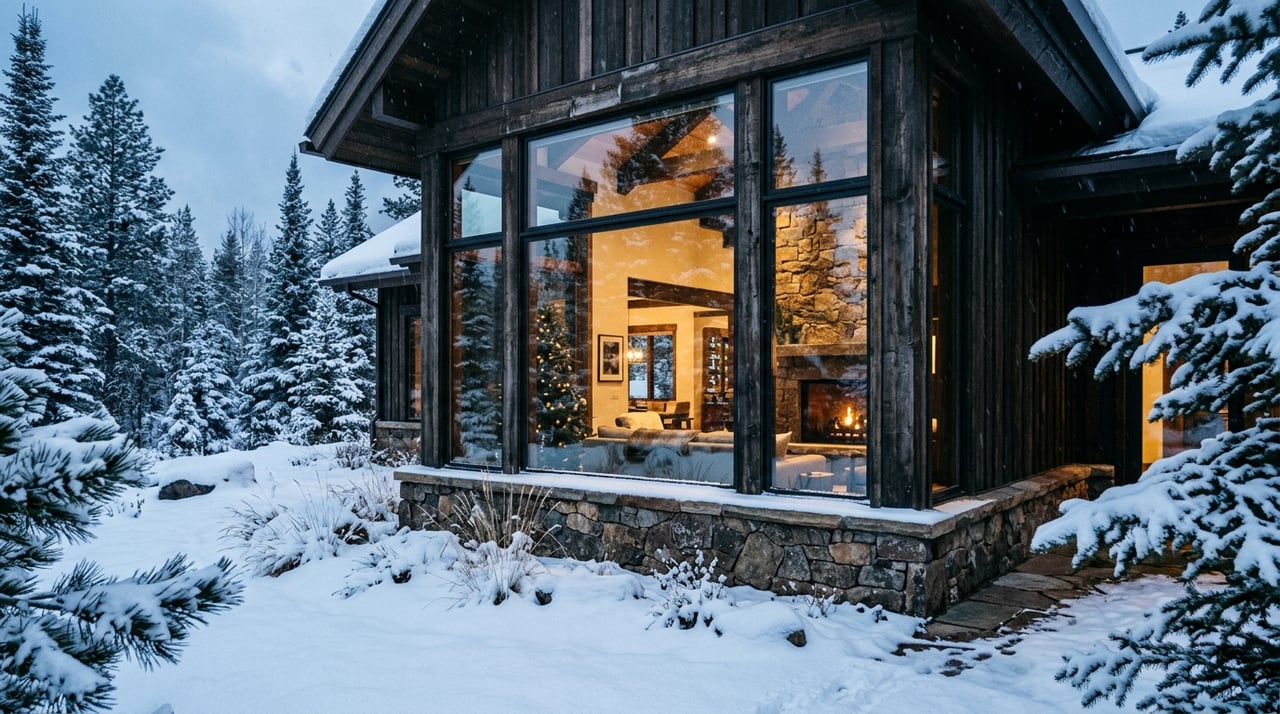
Winter is a major part of life in Gallatin Gateway. This is not just a place that gets occasional snow. It is a region where snow shapes travel, recreation, timing, and even how you think about errands.
Big Sky Resort reports average annual snowfall of 400 inches and says it has historically opened around Thanksgiving. Peak visitation usually falls around Christmas, New Year’s, and holiday weekends in January and February, which reflects the broader winter rhythm in the area.
Ski season and off-slope options
If you enjoy winter recreation, Gallatin Gateway puts you in a strong position. Ski and snowboard access become a central part of the season, and Big Sky also points to snowshoeing and cross-country skiing at the Big Sky Nordic Center as part of the winter mix.
That variety matters for day-to-day life. Not every winter outing needs to be a full resort day. Some residents prefer a quick local snow walk, while others build weekends around alpine or Nordic plans.
Late winter can still be active
Winter here does not shut off quickly. Big Sky notes that April is typically quieter, with much of the terrain still open, continued snowfall, and milder temperatures.
That tells you something useful about the seasonal arc. In Gallatin Gateway, snow season can remain active well beyond the winter holidays. For the right buyer, that longer runway is a feature, not a drawback.
What winter driving feels like
Scenic, but not casual
The drive patterns around Gallatin Gateway matter, especially in winter. Big Sky notes that the route from Bozeman follows the Gallatin River and that wildlife is common, especially at night.
That makes winter travel less about mileage and more about conditions, visibility, and timing. A drive can be beautiful, but it still requires attention and preparation. If you are used to easy last-minute trips in a city, this is an adjustment.
Plan before you leave
Big Sky also warns that rideshare service between Bozeman and Big Sky is unreliable and that there is no cell service in Gallatin Canyon. In real life, that means you want a plan before heading out.
Montana Department of Transportation winter road reporting runs from November through April, with updates at least twice daily during that period. The agency advises travelers to allow extra time, clear snow and ice from the vehicle, expect ice on bridges and shaded areas, and never drive on a closed road.
For many buyers, this is one of the biggest lifestyle questions to answer honestly. If you are comfortable planning ahead and adjusting to weather, Gallatin Gateway can work very well. If you need frictionless, last-minute mobility every day, the area may feel more demanding.
Weeknight plans versus weekend adventures
Best for spontaneous outings
Some of Gallatin Gateway’s best features fit naturally into everyday life. River access, short outdoor walks, and nearby local recreation can work well on a weeknight. That is part of what makes the area feel livable rather than just scenic.
The Gateway River Trail and access to the Gallatin River support that kind of routine. You do not always need a big window of time to enjoy where you live.
Better as day-trip plans
Other activities are better approached as planned outings. Resort activities, bigger trail objectives, and winter ski days often work best when you give yourself enough time for travel, parking, weather shifts, and gear.
This is one of the most important mindset pieces for buyers. Gallatin Gateway offers excellent access to recreation, but the best experience often comes from respecting the mountain schedule rather than trying to force an urban one.
Home features that matter year-round
When buyers picture a mountain-town home, they often focus first on views or acreage. Those can matter, but in Gallatin Gateway the daily function of the home is just as important.
Look closely at how a property supports all-season living. A practical entry, room for coats and boots, and storage for skis, bikes, fishing gear, and other equipment can make everyday life much easier.
You may also want to think about how the property handles the transition months. Mud, snow, wet layers, and outdoor equipment all need a place to go. Homes that support that flow tend to feel more comfortable and manageable through the year.
For buyers moving from a less seasonal climate, this is where local guidance really helps. The right home is not only attractive in summer. It should support the way you will actually live in January, April, and October too.
Is Gallatin Gateway the right fit for you?
Gallatin Gateway tends to be a strong match for buyers who want immediate access to river time, trailheads, and ski country. It also suits people who are comfortable with a weather-dependent routine and who see planning as part of the lifestyle, not a burden.
In contrast, it may be a less natural fit if your top priority is urban convenience or effortless last-minute commuting. The tradeoff here is simple. You give up some convenience, and in return you gain access to a very distinctive mountain lifestyle.
If that balance sounds right to you, Gallatin Gateway deserves a serious look. And if you want help comparing properties through the lens of real day-to-day living, Ryan Martello Real Estate can help you evaluate what fits your goals.
FAQs
How long does outdoor season last in Gallatin Gateway?
- Outdoor season lasts most of the year in one form or another, but the warm-weather stretch is concentrated in summer and early fall, while winter becomes a true snow season with skiing, snowshoeing, and other cold-weather recreation.
What is winter driving like near Gallatin Gateway and Big Sky?
- Winter driving can be scenic but requires planning, especially because road conditions can change quickly, wildlife is common at night, rideshare is unreliable between Bozeman and Big Sky, and there is no cell service in Gallatin Canyon.
Which Gallatin Gateway activities work well on weeknights?
- River access, short walks, and nearby outdoor spots are often realistic for weeknights, while bigger hikes, resort activities, and many ski days are usually better planned as longer outings.
What home features help most with seasonal living in Gallatin Gateway?
- Buyers often benefit from looking for practical entry space, storage for skis, bikes, boots, and fishing gear, and a layout that handles mud, snow, and changing layers through the year.
Who is Gallatin Gateway best suited for?
- Gallatin Gateway is often a good fit for buyers who prioritize outdoor access, a small-community pace, and proximity to recreation, and who are comfortable building their routine around changing mountain weather.