A small-acreage property near Manhattan can look simple on paper, but the right questions often have less to do with the number of acres and more to do with access, utilities, water, and local rules. If you are comparing a few parcels or thinking about making an offer, it helps to slow down and verify what comes with the land beyond the view. This guide walks you through the key questions to ask before you buy so you can move forward with more clarity and fewer surprises. Let’s dive in.
Start With Jurisdiction
One of the first things to confirm is where the property actually falls from a planning and permitting standpoint. Near Manhattan, that can mean the parcel is inside town limits, in county zoning, or subject to recorded subdivision documents.
That matters because Gallatin County requires land-use permits in all zoning districts, and the Town of Manhattan has its own city/county planning board. Before you compare properties on price alone, ask which rules apply to the parcel and whether there are any recorded plats, covenants, or subdivision obligations that could affect your plans.
Questions to ask first
- Is the parcel inside Manhattan town limits or in unincorporated Gallatin County?
- What zoning district and subdistrict apply?
- Are there recorded subdivision documents, plats, or restrictive covenants?
- Will your intended use require a land-use permit or other local review?
Ask About Access and Road Use
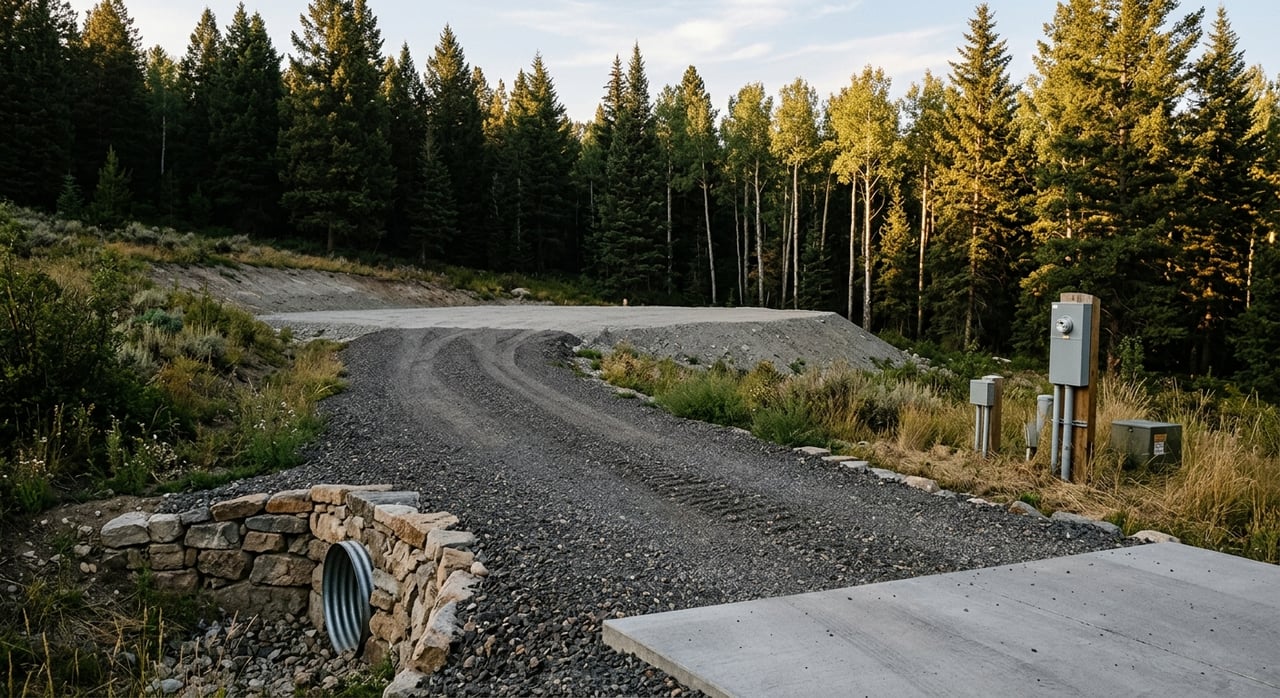
Access can shape both your day-to-day experience and your long-term costs. A property may have a great location, but the details of the driveway, road maintenance, and winter usability can make a big difference once you own it.
If a driveway or road approach enters a county road right-of-way, Gallatin County requires an access permit before work starts, and the application fee is $125. That means you should ask whether the access is already permitted and whether any future work may still need county approval.
Road responsibility matters
For subdivision tracts, county maintenance and snow removal begin only after a subdivision road or bridge has been built to county standards and formally accepted. If that has not happened, the subdivision remains responsible for maintenance.
In practical terms, you will want to know who handles grading, snow removal, culverts, gravel, and signage. A private road can be workable, but it is smart to understand the maintenance setup before you commit.
Seasonal issues to verify
Gallatin County generally does not allow road work in county-maintained rights-of-way after October 31 until spring thaw. The county also posts 16-ton weight limits on some roads in spring and early summer.
If you are planning improvements, bringing in building materials, or simply want reliable year-round access, those seasonal restrictions are worth asking about early.
Access questions to ask
- Is the property served by a county road, town street, state highway, or private road?
- Has the driveway already been permitted?
- Who maintains the road and clears snow?
- Who pays for culverts, gravel, and road signage?
- Are there spring weight limits or winter work restrictions that affect use?
- Will the parcel need a new address or road name?
Verify Water, Septic, and Utility Service
Utilities can be one of the biggest differences between one small-acreage property and another. Some parcels near Manhattan may connect to town services, while others may depend on private systems or shared infrastructure.
Inside town limits, the Town of Manhattan has municipal water and sewer billing, public works staff for water and wastewater, and local watering rules. If a lot is on municipal service, it is wise to review expected utility costs and any seasonal rules that affect water use.
If the property is on town service
Manhattan’s watering code uses odd and even calendar days, allows everyone to water on the 31st, and restricts sprinkling to 4:00 a.m. to noon and 4:00 p.m. to midnight. Those rules may not change your buying decision, but they do affect how you use irrigation after closing.
The town also posts metered water and sewer base rates along with a summer excess-water charge. If the parcel is within town service, ask for a clear picture of current utility billing.
If the property uses septic
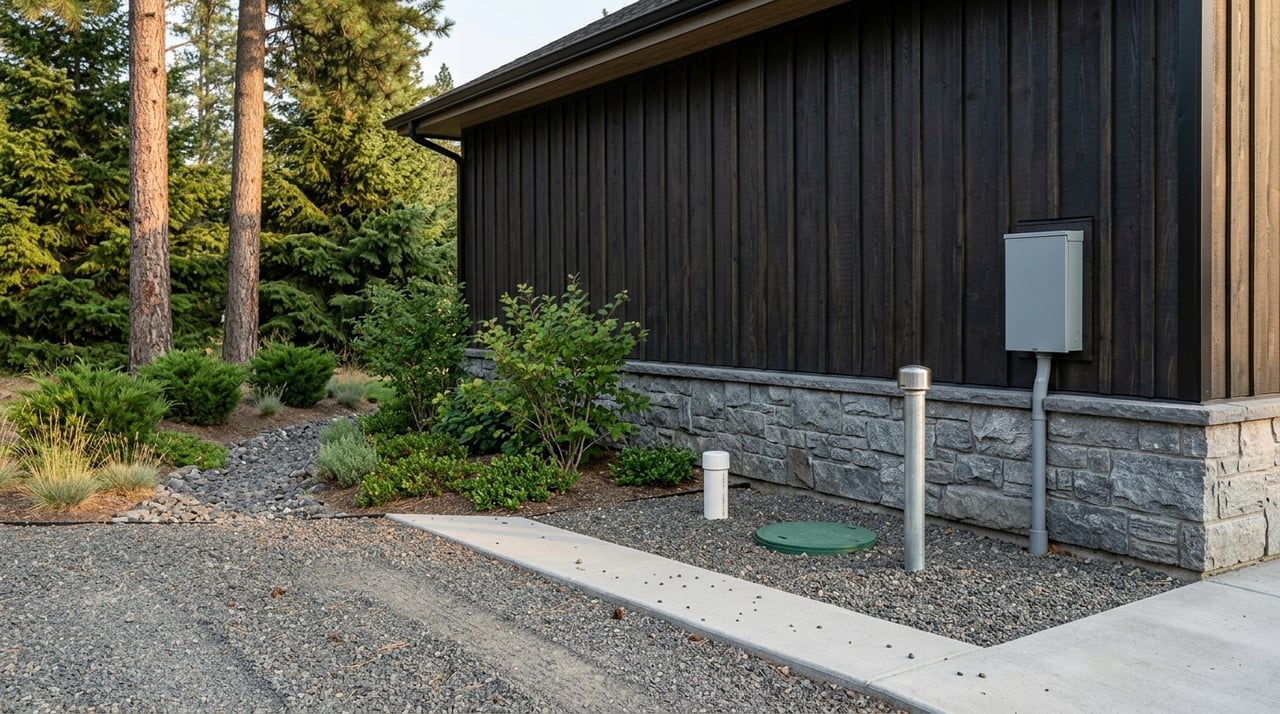
Gallatin City-County Health requires a local wastewater permit before a septic system is installed. Site evaluations must be completed by a Gallatin County-registered site evaluator or a Montana professional engineer, and installers must be credentialed.
The department also notes that wastewater review timelines are around 40 days due to staffing shortages and volume. If you plan to build, expand, or change the use of the property, that timeline may matter.
If the property uses a well or shared water source
For water rights, Montana’s DNRC says new or expanded water uses after June 30, 1973 generally require a Beneficial Water Use Permit or groundwater notice. DNRC also notes that if a property is served by a city, water-user association, ditch company, or irrigation district, the buyer may not hold an individual water right because the supplying entity may own the right.
This is why it is important to ask not just whether there is water, but what legal rights and records support that water use.
Utility questions to ask
- Is the property on municipal water and sewer, a shared system, a private well, or private septic?
- Is there a current well log, pump test, or water-right record?
- Does the septic permit match the number of bedrooms and intended use?
- Who owns and maintains lines, tanks, pumps, or shared utility components?
- What would it cost to extend or connect service if needed?
Look Closely at Irrigation and Water Rights
On small acreage, irrigation can be just as important as domestic water. If you plan to keep landscaping, water pasture, or support other outdoor uses, you will want a clear understanding of what water is available and how it is documented.
DNRC water-right records include the source, purpose, diversion point, place of use, flow rate, volume, and priority date. Under Montana’s prior-appropriation system, older rights can have priority over newer ones, so the age and scope of a right can matter.
Separate domestic and irrigation water
A property may have household water service without having meaningful irrigation rights. It is smart to ask whether irrigation water is separate from domestic water and whether any ditch company, irrigation district, or other supplier is involved.
If a parcel is served by another entity, the water right may be held by that entity rather than by the landowner directly. That distinction is important when you are evaluating long-term use.
Check Drainage and Floodplain Exposure
A beautiful lot near a creek, ditch, or low area can come with extra review requirements. Gallatin County floodplain rules require permits for development, grading, excavation, fill, bank stabilization, and similar work in a regulated flood hazard area.
The county also warns that mapped floodplains do not represent every flood threat in the county. So even if a map looks clean, you should still ask about drainage patterns, nearby channels, and seasonal water movement.
Improvements may trigger review
If you are thinking about adding a shop pad, fence, outbuilding, driveway work, or grading, floodplain review may become part of the process. On small acreage, even modest improvements can be affected by how water moves across the site.
This is one of those areas where early due diligence can save real time and money later.
Drainage and flood questions to ask
- Is the property in a mapped floodplain or near a channel-migration area?
- Are there ditch, creek, or drainage easements on the property?
- Would grading, fill, fencing, or outbuildings require floodplain review?
- How does water move across the site during runoff or heavy rain?
Review Covenants and HOA Obligations
Not every acreage property is fully unrestricted. In Gallatin County, subdivision approvals can involve restrictive covenants, and some covenants may not be amended without prior written county consent.
The county can also be made a party with enforcement rights. That is a good reminder to read recorded documents carefully rather than relying on assumptions.
Common property often means shared obligations
If common property is held by owners, county subdivision rules require a property owners’ association with mandatory membership and provisions for insurance, taxes, assessments, complaint handling, transfer from developer to owners, and maintenance of roads, parks, buildings, drainage, and other facilities.
That means your monthly or annual costs may include more than just the land itself. It can also affect how decisions get made about shared roads or infrastructure.
Covenant questions to ask
- What do the covenants restrict?
- Are there limits on fencing, animals, RVs, outbuildings, storage, home businesses, or short-term rentals?
- Are there HOA dues, reserves, or special assessments?
- Who owns and maintains common open space, roads, and drainage facilities?
- Can the covenants be amended, and by whom?
- Is a maintenance-district waiver part of the recorded documents?
Verify the Right Local Records
When you are serious about a property, the best next step is to verify details with the local offices tied to that issue. In this area, that often means checking zoning, floodplain review, subdivision records, road access, septic history, water-right records, and town utility information.
For parcels inside Manhattan’s planning area, the Manhattan City/County Planning Board is the local forum, and it meets the third Wednesday of the month at 120 West Main in Manhattan at 7:00 p.m. Depending on the property, that may be useful context if you are researching planning issues or future use questions.
A Smart Acreage Purchase Starts With Better Questions
Buying small acreage near Manhattan can open the door to more space, flexibility, and long-term value, but only if you understand what you are buying beyond the legal description. Access, utilities, floodplain exposure, water rights, zoning, and covenants can all affect how you use the property and what it costs to own.
If you want a second set of eyes on a parcel, a clear due-diligence strategy, or local guidance as you compare options near Manhattan, Ryan Martello Real Estate is here to help.
FAQs
What should you confirm before buying small acreage near Manhattan, MT?
- Confirm whether the parcel is inside Manhattan town limits, in county zoning, or governed by recorded subdivision documents, then verify zoning, permits, and any covenant restrictions.
What access questions matter for small acreage in Gallatin County?
- Ask whether the property is served by a county road, town street, state highway, or private road, whether the driveway is permitted, and who handles snow removal, grading, culverts, and signage.
What utility questions should you ask for acreage near Manhattan?
- Ask whether the property uses municipal water and sewer, a private well, a shared system, or septic, and verify records such as septic permits, well information, and maintenance responsibility.
Why do water rights matter when buying land near Manhattan, MT?
- Water rights help define how water can be used on the property, and DNRC records can show the source, purpose, place of use, flow rate, volume, and priority date.
How can floodplain issues affect a small-acreage purchase in Gallatin County?
- Floodplain rules can affect development, grading, excavation, fill, bank stabilization, and other site work, so it is important to verify mapped hazards and drainage conditions before closing.
What should you review in covenants or HOA documents for acreage property?
- Review any restrictions on use, ownership obligations for roads or drainage, dues, special assessments, amendment rules, and whether there is mandatory association membership tied to common property.