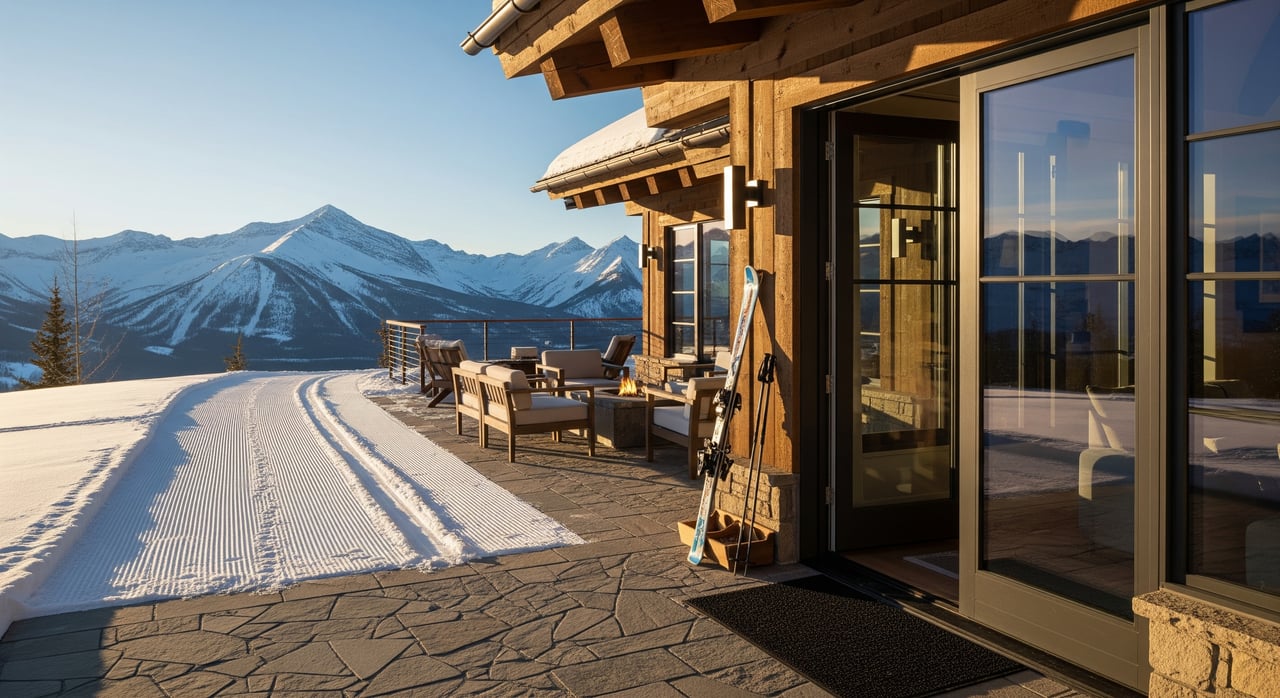
Imagine clicking into your skis on your front stoop, gliding to a lift, and coasting back to your door at day’s end. If that picture inspires you, you are not alone. Many buyers come to Big Sky for the slopeside lifestyle but find that “ski-in/ski-out” can mean different things from one property to the next. In this guide, you will learn exactly what ski access means in Big Sky, where to find it, what to verify before you buy, and how it affects costs, rentals, and day-to-day living. Let’s dive in.
What ski-in/ski-out means in Big Sky
In Big Sky, ski-in/ski-out means you have direct access between your home and maintained ski terrain without needing a vehicle. That can look a few different ways.
- True slopeside. Your property borders a maintained run or lift plaza. You can click in at your door or steps and ski directly to and from the building.
- Walk-ski or short traverse. You make a brief flat walk or use a short connector, usually 50 to 300 yards, to reach a run or lift. This is common around base areas and near connector trails.
- Ski easement or access corridor. Your home is not literally on a run, but a recorded easement or private corridor gives you access to ski terrain. This can involve gates, designated paths, or crossing private land.
- Resort-proximate with shuttle. You are very close to lifts and often rely on a shuttle or a short drive. This is sometimes marketed as “ski access,” but it is not technically ski-in/ski-out.
These distinctions matter for your experience, insurance, resale value, and everyday logistics. HOA rules and maintenance agreements often define who grooms or maintains access corridors, gates, stairs, and lighting. Clear expectations up front help you avoid surprises later.
Where you find it in Big Sky
Big Sky’s resort footprint is large and varied, with multiple lift zones and base areas. Within a mile, the quality of ski access can change. The most literal slopeside options are near base facilities and maintained runs.
- Base-area and slopeside buildings. Condominiums and condo-hotels near lifts often provide the most direct door-to-lift access and proximity to services. To understand lift locations and terrain connections, review Big Sky Resort mountain maps and current trail status.
- Adjacent resort neighborhoods. Some residential enclaves have direct access to lifts or connector runs. Access can be private or semi-private, with specific routes for owners and guests.
- Perimeter homes with easements. Homes just off the runs may rely on recorded easements, dedicated ski corridors, or snow-packed tracks. These options can ski like slopeside on good snow years, but the details depend on easement language and maintenance responsibilities.
Because siting is so important, it is wise to confirm on-the-ground distances and vertical pitch. What reads as a short connection on a map can feel very different in deep snow or early season conditions.
What to verify before you buy
Access and title
Ski access needs to be clear in writing and verified in person. Review the recorded plat, survey, and easements to confirm legal access across adjacent parcels or resort land. Your HOA covenants, conditions, and restrictions will often spell out who maintains corridors, stairs, gates, and lighting. For official records and land-use questions, consult Gallatin County. Finally, walk or skin the route in winter conditions if possible, and confirm the access route with resort mountain operations.
Safety and mountain operations
Slope-adjacent homes can sit near terrain where avalanche mitigation work occurs. Mountain operations may perform control work that reduces but does not eliminate risk. Ask about historical mitigation and any recorded incidents for the immediate area, and consult the Gallatin National Forest Avalanche Center for regional forecasting and education.
Winter access and maintenance
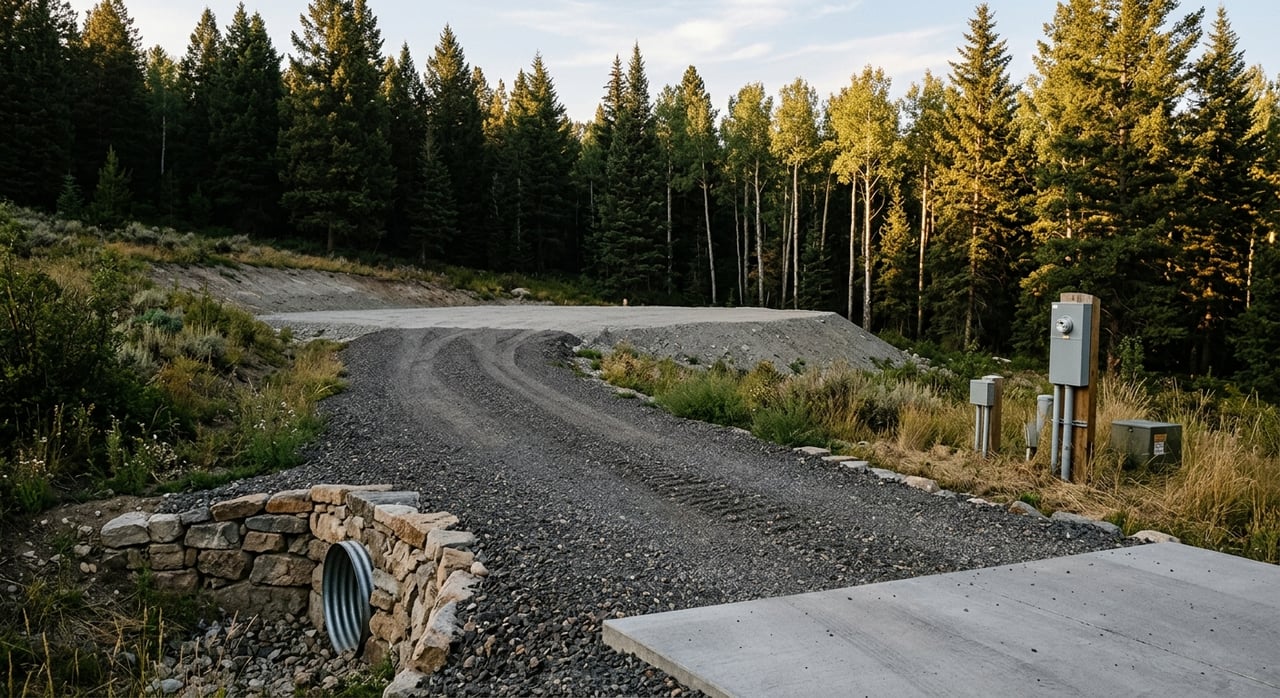
Confirm how you, your guests, and service providers reach the home during heavy snow. Ask who plows access roads, whether they are public or private, and how walkways and stairs are cleared. If the property relies on a private road or resort plowing schedule, understand timing, fees, and any restrictions on parking or deliveries during storms.
Utilities and connectivity
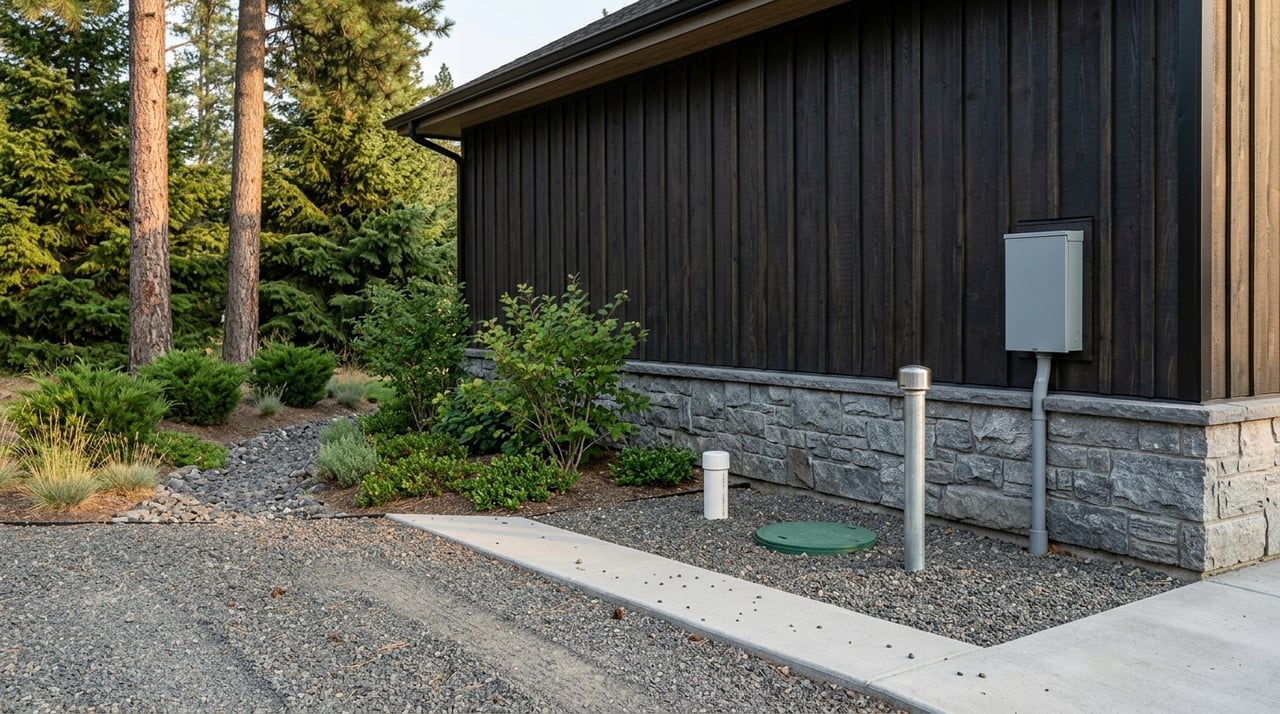
Some slopeside properties connect to municipal water and sewer. Others use wells and septic systems. Confirm capacity, permits, and maintenance needs. Winter outages can occur, so backup heat sources and generators are common considerations. Internet speeds and providers vary by neighborhood. If remote work matters to you, verify providers and speeds in advance.
Insurance and permitting
Proximity to slopes and high snowfall can influence home and liability insurance. If the home is in or beneath an avalanche path, underwriters may require special conditions. Slopeside construction often involves structural engineering for snow load, retaining walls, and specialized roofing. Verify building permits and code compliance before you commit.
The financial picture in Big Sky
Price premiums and liquidity
Ski-in/ski-out properties typically command a premium over non-slopeside homes because of convenience and desirability. The size of that premium and how quickly properties sell change with market cycles. Local, recent comparable sales are essential when you evaluate value.
Operating costs
Expect higher HOA fees where access corridors, snow removal, and common-area safety infrastructure are part of the community maintenance plan. Winter utilities and heating costs can also run higher for slope-exposed homes. Review current HOA budgets and reserve studies to understand long-term costs.
Rental and income potential
In Big Sky, slopeside properties often see strong short-term rental demand during peak seasons. Actual revenue depends on location, unit size, finishes, management, and marketing. Verify rules for short-term rentals with your HOA and local authorities. Regulations and license requirements can change, so confirm the latest process with Gallatin County and ask about any required transient lodging taxes.
Taxes and assessments
Property taxes are governed by Gallatin County. Review current assessments and ask about any special assessments in resort areas for infrastructure or community improvements. Your title and escrow teams can help verify the latest figures and obligations.
Lifestyle fit and logistics
Year-round or seasonal living
Many ski-in/ski-out buyers are second-home owners or investors, while others choose full-time living. Consider your year-round needs, including access to services, school enrollment if relevant, and healthcare. The nearest major services and commercial airport are in the Bozeman area, and drive times vary with road and weather conditions.
Commuting and travel
When you plan travel, check seasonal road conditions and arrival windows. For flight options and schedules, visit Bozeman Yellowstone International Airport. If you host frequent guests, plan for parking capacity, guest passes, and drop-off logistics that fit resort policies.
Summer and shoulder seasons
Big Sky is a summer destination too, with hiking, biking, fishing, and river access. Slopeside proximity can also translate to trail networks and lift-served activities when the snow melts. This broader appeal can support steadier rental occupancy outside of peak ski season.
Buyer due-diligence checklist
Use this list to keep your purchase process focused and thorough.
- Obtain the recorded plat, survey, and any ski-access easements.
- Request HOA governing documents, current budgets, reserves, and maintenance agreements.
- Ask the resort for mountain operations policies, grooming maps, lift access details, and any planned infrastructure changes.
- Verify short-term rental rules with Gallatin County and your HOA, including licensing and transient lodging taxes.
- Confirm utilities for water, sewer, electricity, heating, and broadband options, plus winter road service access.
- Consult a local title company about encumbrances, boundary issues, and shared-access agreements.
- Get insurance quotes that address slope proximity, avalanche exposure, and snow load requirements.
- Inspect the site in winter conditions to confirm practical access, snow behavior, and maintenance realities.
Selling a slopeside property
You can help buyers feel confident by preparing documentation before listing.
- Provide clear copies of access easements, plats, and surveys.
- Create simple maps and photos that show the route from the door to the lift or run.
- Highlight HOA maintenance terms and budgets related to access, snow removal, and safety infrastructure.
- Share recent rental performance and management details if the home has been rented.
- Note any upgrades tied to mountain living, like roof design for snow loads or backup power.
The more clarity you provide on ski access and operations, the faster a qualified buyer can move forward.
Ready to evaluate a Big Sky ski-in/ski-out home or position your property for the market? Connect with a local advisor who knows the terrain, the documents, and the day-to-day realities of mountain living. Reach out to Ryan Martello Real Estate to schedule a consultation.
FAQs
What does “ski-in/ski-out” mean in Big Sky?
- It means direct access between your home and maintained ski terrain without using a vehicle, ranging from true slopeside to short connectors or recorded ski easements.
How can I confirm a listing is truly ski-in/ski-out in Big Sky?
- Review recorded plats and easements, read HOA rules, check resort trail maps, confirm details with mountain operations, and test the access route in winter conditions.
Are there extra costs for slopeside ownership in Big Sky?
- Often yes, including higher HOA fees for corridor maintenance and snow removal, plus potentially higher utilities, specialized maintenance, and tailored insurance.
Can I short-term rent a ski-in/ski-out home in Big Sky?
- Possibly, but you must verify HOA rules and local licensing and tax requirements with Gallatin County and confirm realistic demand with property managers.
Is avalanche risk a concern for slopeside homes in Big Sky?
- Some areas include avalanche exposure; consult resort operations and the Gallatin National Forest Avalanche Center for history, mitigation practices, and forecasting.
How close is Big Sky to major services and the airport?
- Most major services and commercial flights are in the Bozeman area; plan for seasonal road conditions and check options at Bozeman Yellowstone International Airport.