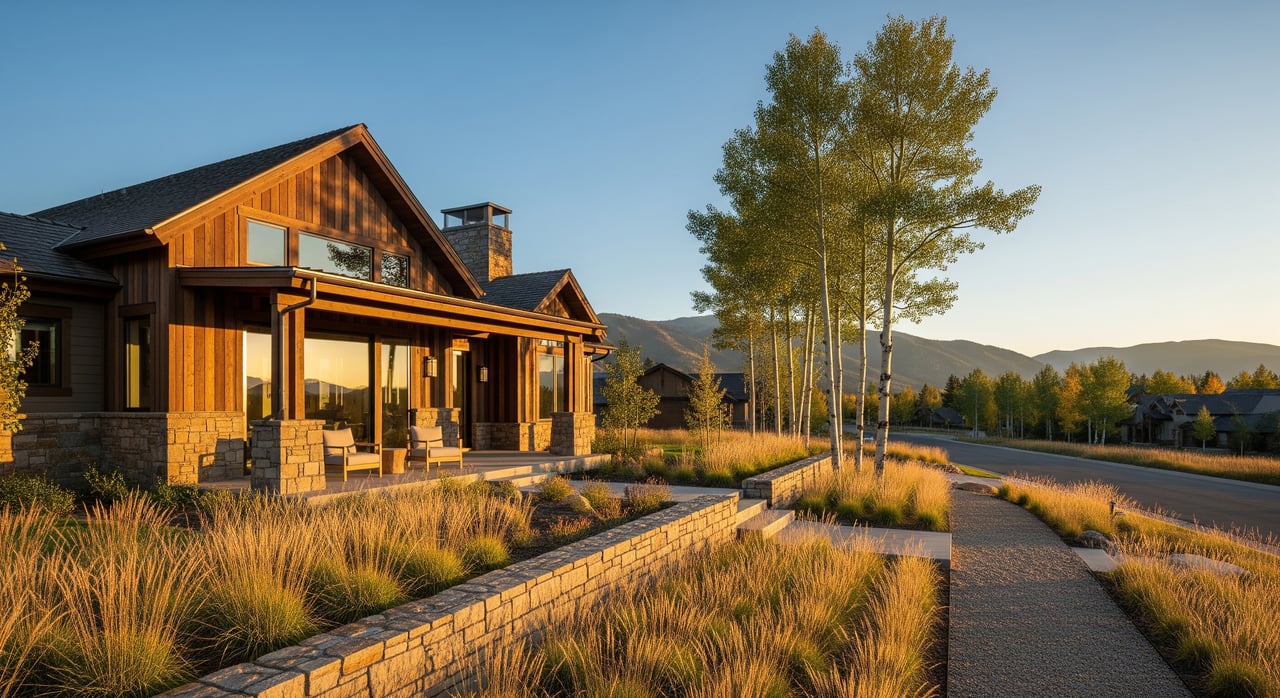
Thinking about a move in Bozeman, but not sure which part of town feels right for you? You’re not alone. With steady growth, a strong outdoor culture, and distinct neighborhood styles, choosing where to live can feel like a big decision. In this guide, you’ll get a clear picture of daily life in Bozeman’s key areas, the trade-offs to expect, and practical steps to narrow your search. Let’s dive in.
How growth shapes daily life
Bozeman’s steady growth has been driven by Montana State University, a rising tech and professional scene, and easy access to outdoor recreation. That demand often means tight inventory and rising prices compared with a decade ago. You’ll also see new subdivisions on the city’s edges and an active calendar of community events and outdoor meetups year-round. The region’s airport in nearby Belgrade and major highways make travel and day trips convenient.
MSU serves as a cultural anchor with research, arts, and sports that bring energy to the city. Local public transit is available but more limited than in larger metros, so you’ll rely on a mix of driving, biking, and walking depending on where you live. Trails are a big part of daily life, from neighborhood paths to the M Trail and Bridger Range access. Weekends often revolve around hikes, river time, and winter ski days.
Historic Downtown: walkable and lively
Daily rhythm
If you value walkability, downtown Bozeman offers a compact core with restaurants, breweries, galleries, and boutiques. Farmers’ markets and cultural events keep the area active in the evenings and on weekends. You can often run errands on foot and meet friends without getting in the car.
Homes and buildings
Housing here includes historic single-family homes, renovated craftsman and Victorian properties, small-lot infill, condos, and live-work options. You’ll find a higher share of rentals and smaller lots than in the suburbs. Many homes balance character with modern updates.
Getting around
Downtown gives you short walks to coffee, groceries, and services, plus easy bike access to nearby trails. If you like leaving the car at home, this area makes it simple. You can also reach the foothills quickly for a quick hike after work.
Trade-offs
Expect less yard space and tighter parking, with street parking in demand near dining and nightlife. Sound and activity levels can be higher, especially on busy evenings. Price-per-square-foot tends to be higher due to the central location and convenience.
Near MSU: campus energy and convenience
Daily rhythm
Neighborhoods around Montana State University blend student life, faculty and staff homes, and long-term residents. The area sees a daytime buzz tied to classes, athletics, and campus events. You’ll have easy access to libraries, arts venues, and the stadium without driving across town.
Homes and buildings
Housing ranges from apartments and duplexes to older bungalows and single-family homes. Some properties are long-term residences while others serve as investment rentals. You’ll see more turnover on blocks closest to campus.
Getting around
This area is very bike and transit friendly, with routes designed around campus. You can walk to MSU amenities and nearby services in minutes. It’s a practical base if your schedule revolves around the university.
Trade-offs
Noise and traffic can spike during events and the academic year. Parking tightens during peak times. The strong rental market benefits investors but can be competitive for long-term renters.
Newer subdivisions: space and neighborhood amenities
Daily rhythm
On the south, west, and some north edges, recent master-planned neighborhoods focus on everyday convenience. You’ll find sidewalks, pocket parks, and playgrounds, plus small retail nodes that make quick errands easy. Many residents value a quieter residential feel and community common areas.
Homes and buildings
Expect newer single-family homes, townhomes, and modern small-lot designs with open floor plans and garages. HOAs often manage common spaces and maintain neighborhood standards. Some communities include mixed uses for added convenience.
Getting around
Trails and bike lanes are often integrated into the plan. Driving to downtown or MSU usually takes a short trip, with longer peak-hour drives. Schools and services continue to grow as these neighborhoods mature.
Trade-offs
You may trade walkable access to downtown for more space and parking. HOAs typically come with rules and fees. Ongoing construction can be part of daily life as neighborhoods build out.
Rural edge and Bridger Canyon: room to breathe
Daily rhythm
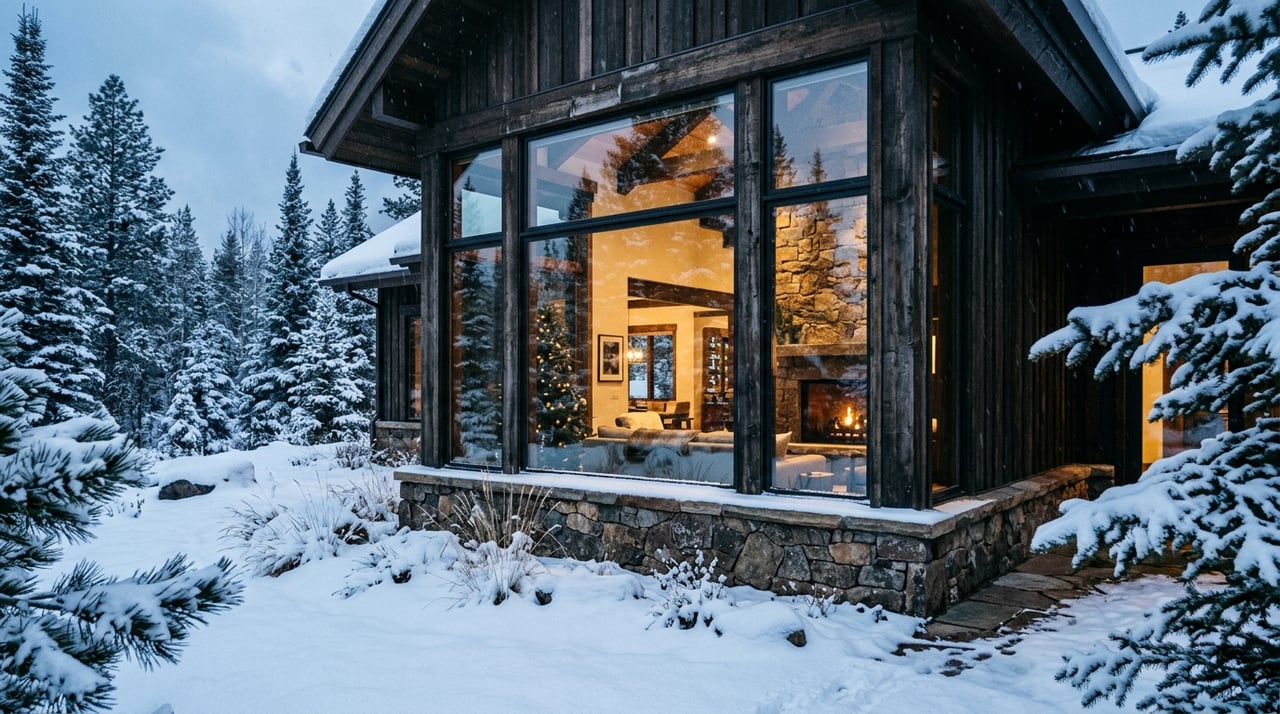
If you want privacy, mountain views, and quick trailhead access, the rural edge and Bridger Canyon deliver. Many residents value wildlife viewing and a quiet setting. You’re close to hiking, skiing, and open space.
Homes and land
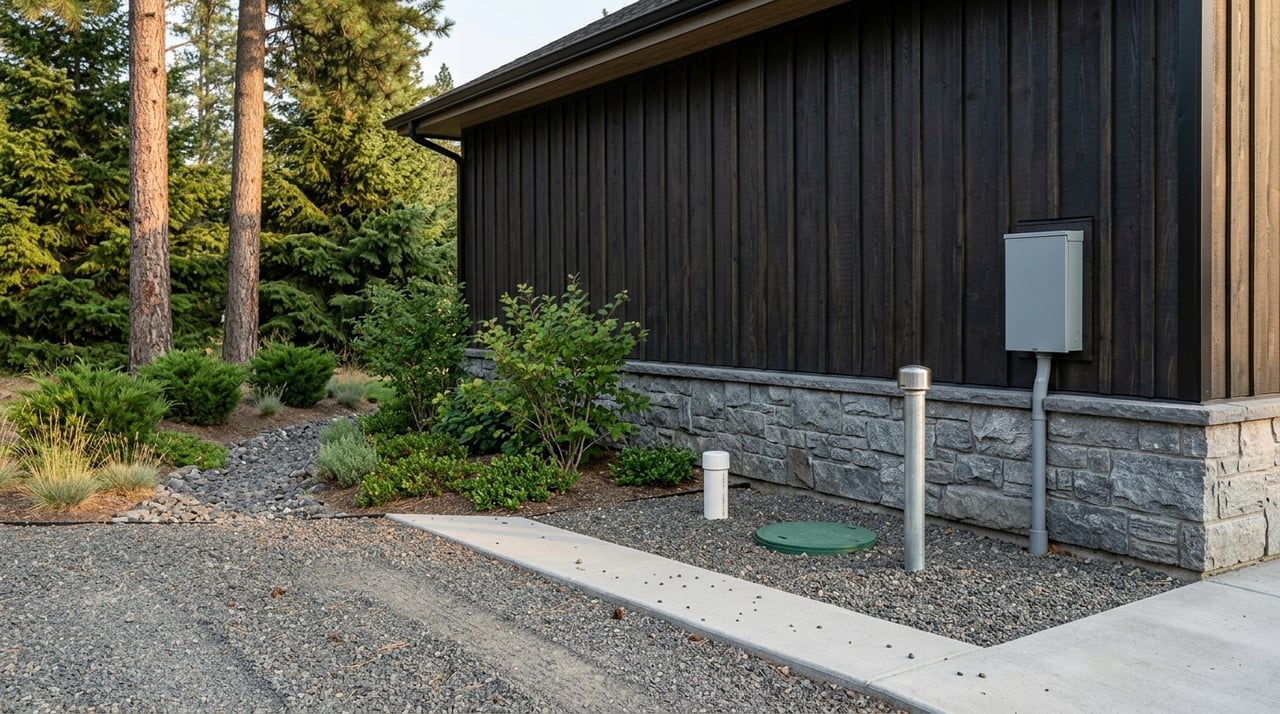
Properties range from ranch houses and log homes to custom builds, often on larger lots. Wells and septic systems are common outside city limits, and county regulations apply. You may have space for outbuildings, gardens, and hobbies.
Getting around
You’ll drive farther for groceries, services, and school commutes compared with in-town living. Winter conditions and steep roads call for planning and the right vehicles. Be mindful of wildfire readiness and insurance considerations.
Trade-offs
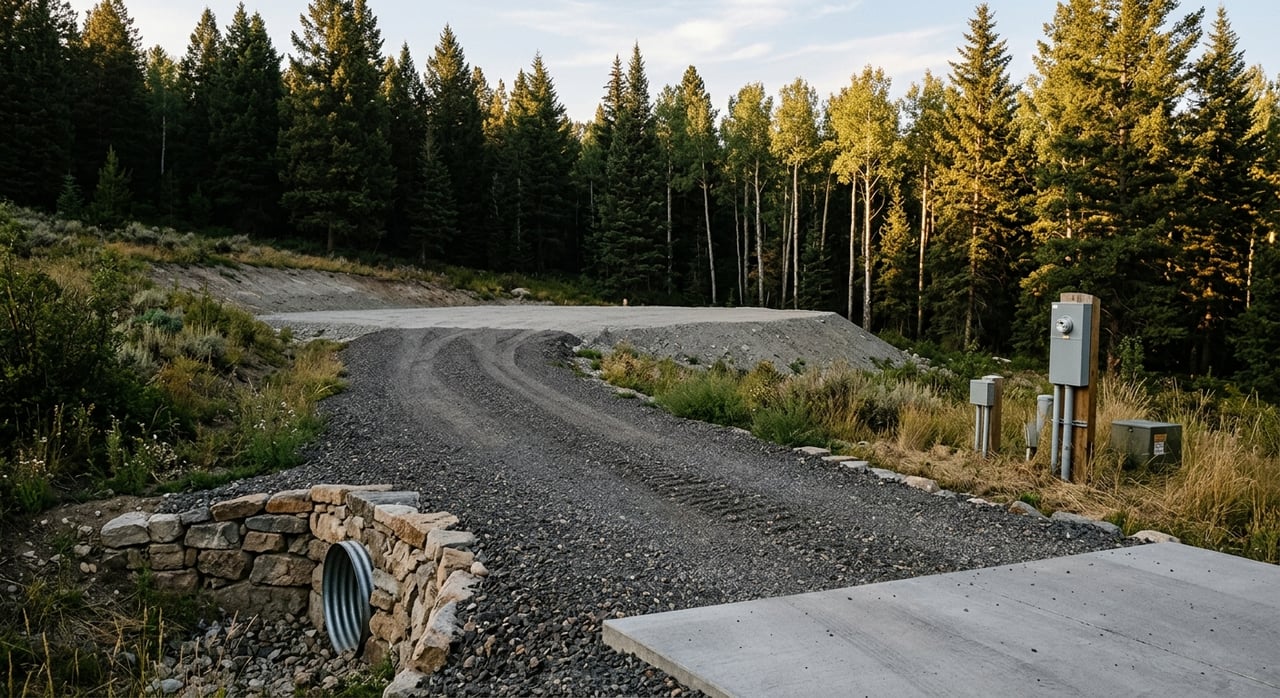
Utilities and services can be limited compared with the city. Road maintenance and snow removal may be private responsibilities. You’ll balance solitude with longer drives and seasonal challenges.
Nearby bedroom communities: wider search options
Neighboring towns like Belgrade, Manhattan, and Three Forks function as regional bedroom communities. Belgrade is home to Bozeman Yellowstone International Airport, which is a major convenience for frequent flyers. These areas can offer different price points, their own amenities, and separate school districts, so it’s smart to review boundary maps early if that matters to you.
If you commute into Bozeman, expect busier traffic during peak travel and school start-end times. Many buyers consider a wider search to balance budget, space, and travel needs. Your priorities will determine which trade-offs feel right.
How to choose your fit
Start by ranking your lifestyle priorities. Think about walkability, yard size, commute time, proximity to trailheads, and whether an HOA is a plus. Then match those to neighborhood types and shortlist areas that fit.
Use this quick checklist to test your shortlist:
- Visit at different times, including evenings and weekends, to gauge noise and activity.
- Drive your commute during rush hour and check school start-end traffic.
- Confirm utilities, zoning, and HOA covenants for specific addresses.
- Check short-term rental rules if you’re concerned about turnover and neighborhood character.
- Verify broadband and cell service, especially for rural properties.
- Review local market stats and recent comparable sales before you offer.
- Plan inspections that account for wells, septic systems, and defensible space where relevant.
Practical buyer notes in Bozeman
- Market dynamics: Inventory can be tight, and new listings can attract strong interest. Pricing and days-on-market shift quickly, so get current data before you move forward.
- Schools and families: Bozeman Public Schools serve most city neighborhoods, and private or charter options exist. Always check district boundary maps and capacity early if school assignment is important.
- Utilities and services: Inside the city you’ll have municipal water and sewer and routine snow removal on primary streets. Outside city limits, wells and septic systems are common and may require more hands-on maintenance.
- Natural hazards and insurance: Plan for winter driving and snow accumulation, especially on rural and steep roads. Wildfire seasons have been more prominent across the West, so consider defensible space and insurance availability.
- Zoning and covenants: City vs. county rules differ on lot sizes, uses, and permitting. Newer subdivisions commonly have HOAs that guide exterior appearance and lot use.
- Short-term rentals: STR regulations exist locally and can affect availability and neighborhood dynamics. If you plan to rent or want a quieter block, review the current rules.
- Commute and congestion: Downtown is walkable but has limited parking, while subdivisions offer garages and more parking with added drive time. Expect congestion on key routes during peak hours.
- Internet and cell: City neighborhoods generally have good broadband choices. Rural parcels may rely on fixed wireless or satellite, so verify providers by address.
Your next step
Choosing the right neighborhood in Bozeman is about balancing lifestyle and logistics. When you shortlist areas, walk the streets, talk to neighbors, and test your daily routine. With the right local guide, you can move forward with clarity and confidence.
If you’re ready to compare neighborhoods or want a custom plan for your move, schedule a friendly consult with Ryan Martello Real Estate. You’ll get local insight, a clear process, and support from search to closing.
FAQs
What is daily life like in downtown Bozeman?
- Expect a walkable, lively area with dining, shops, events, and easy access to neighborhood trails, plus tighter parking and smaller yards.
How does living near MSU feel for non-students?
- You’ll have convenient access to campus amenities and transit, with more activity during the academic year and event days.
What trade-offs come with newer subdivisions?
- You get more space, garages, and community amenities, with HOAs, possible ongoing construction, and longer peak-hour drives into town.
What should I know about rural-edge properties?
- Plan for wells and septic, private road maintenance, winter driving readiness, and wildfire planning, balanced by privacy and open views.
Are nearby towns good alternatives to Bozeman?
- Yes, places like Belgrade, Manhattan, and Three Forks offer different price points and amenities, with Belgrade providing airport access for travelers.
How can I verify school assignments when buying?
- Review current district boundary maps and contact the district directly to confirm capacity and assignments for a specific address.
What steps help me choose the right neighborhood?
- Rank your priorities, test commutes at rush hour, visit at various times, confirm utilities and HOA rules, and review local market data before offering.