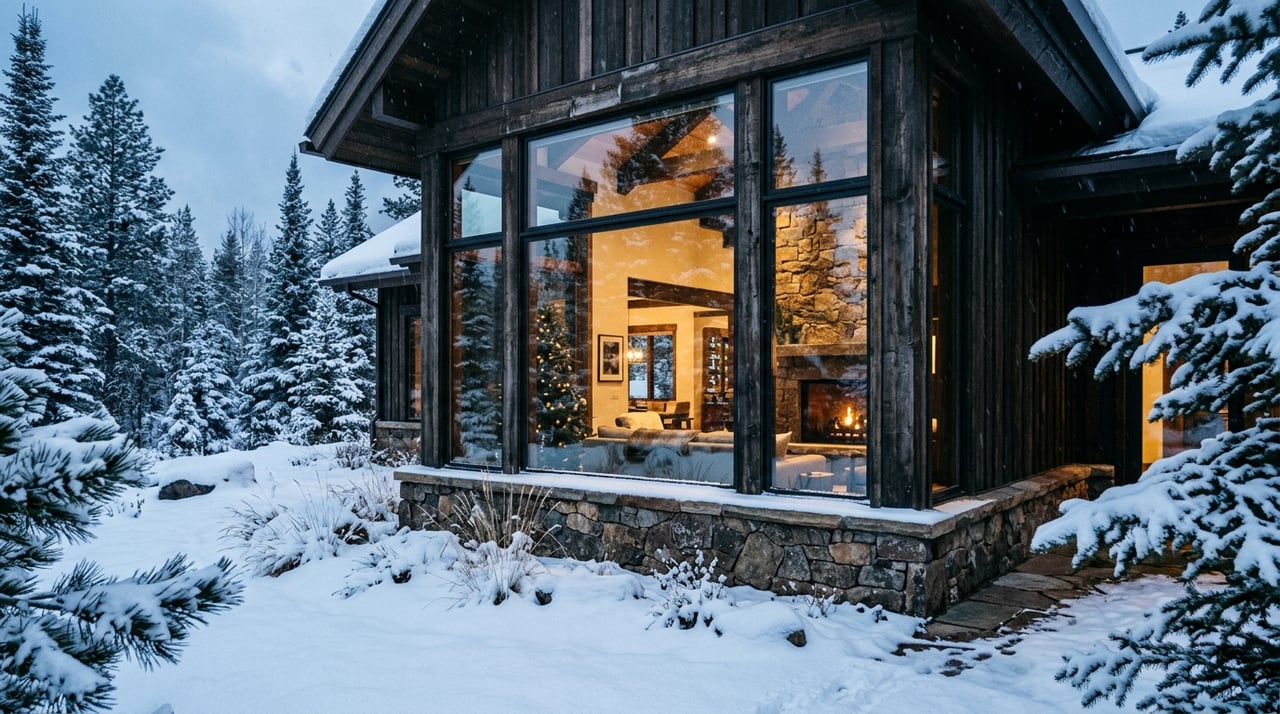
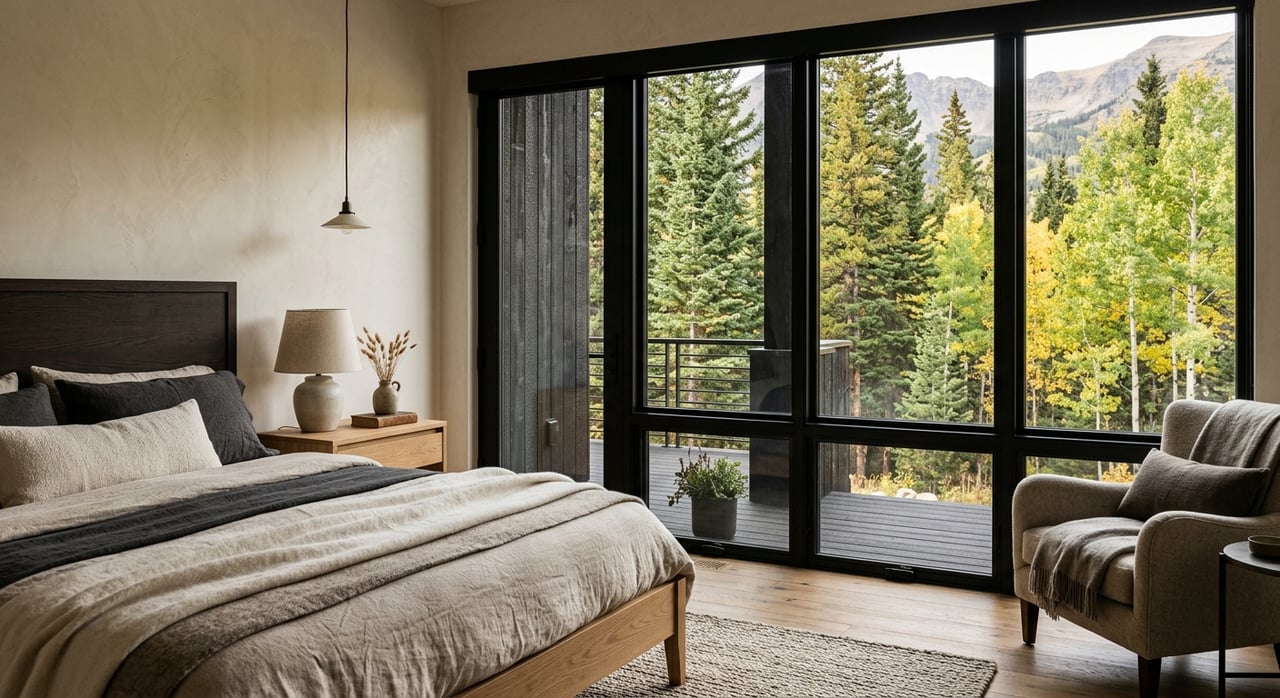
If you have your eye on Gallatin Gateway, you have probably noticed that prices and days on market can shift quickly. In a small market with limited listings, one riverfront sale or a new acreage listing can move the numbers. Your goal is simple: understand what actually drives value here so you can price, list, or write an offer with confidence.
This snapshot shows you the key forces that move prices and timelines in Gallatin Gateway, how to read comps when there are only a handful of sales, and what to prioritize in due diligence. You will also get practical strategies tailored to buyers and sellers. Let’s dive in.
What moves prices here
River-adjacent properties
River-adjacent parcels are scarce, and that scarcity matters. Buyers value direct access, views, and privacy. Many are willing to pay a premium for true riverfront or legal river access. At the same time, these properties come with unique rules that can affect value and timing.
- Expect flood zone reviews, elevation certificates, and setback rules to come up early.
- Verify any claimed water access. Confirm that it is legal, recorded, and usable in practice.
- Understand erosion, riparian easements, and restrictions on improvements near the water.
When properly vetted, well-positioned river parcels often see stronger sale-to-list ratios and faster movement because demand outweighs supply.
Acreage and rural parcels
Buyers look for space, privacy, and the option to keep animals or add outbuildings. Buildable area matters more than the raw acre count.
- Separate total acres from usable, buildable acres. Floodplain, slope, or wetlands change where you can build.
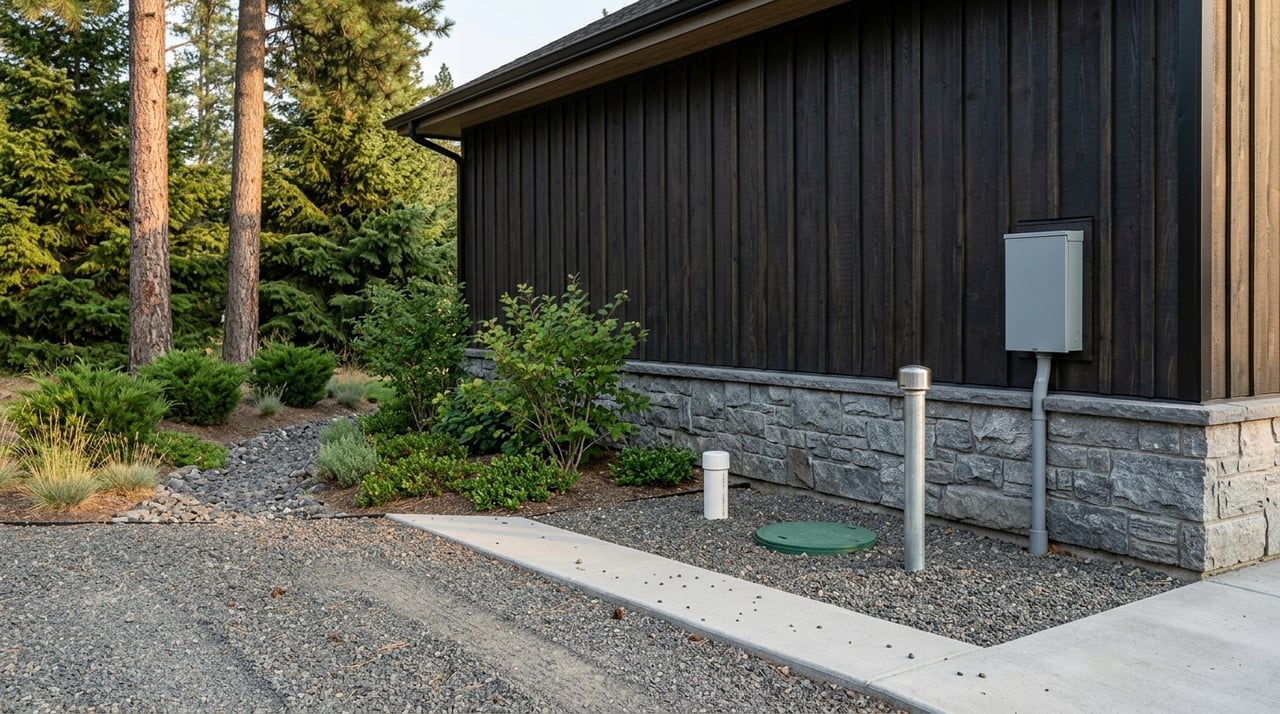
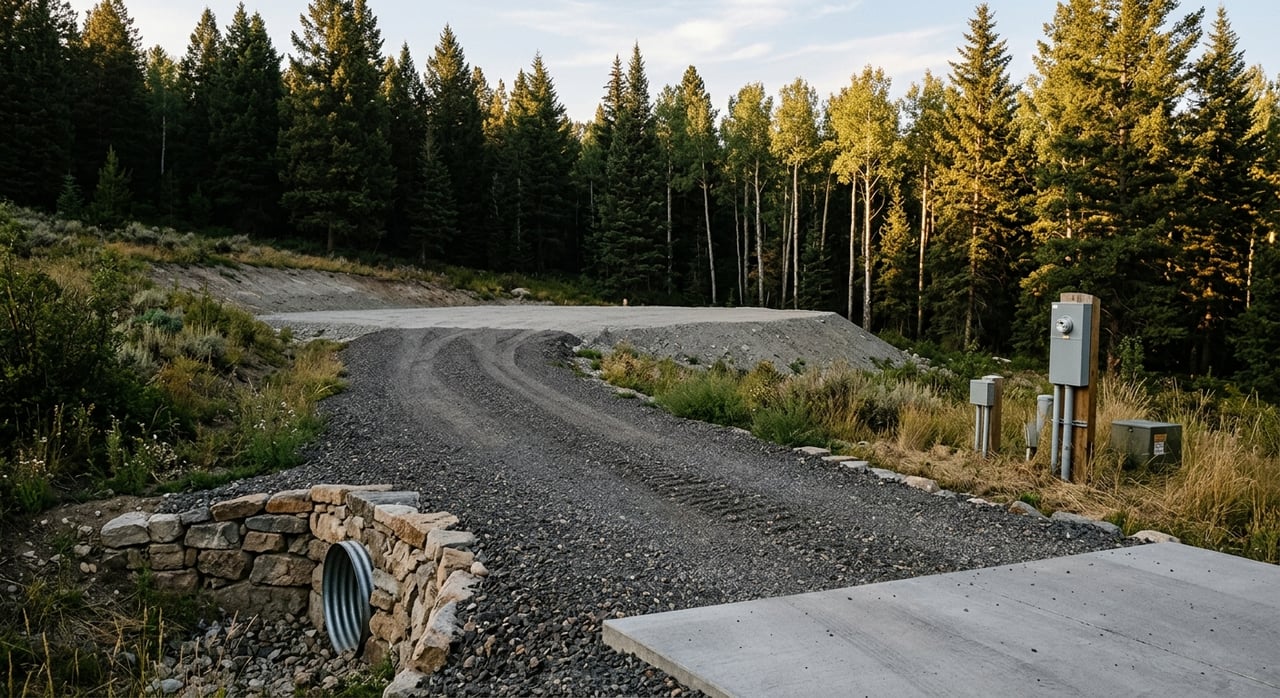
- Infrastructure is a major value driver. Well yield, septic suitability, road access, and utility distance all affect price and marketability.
- Close-in acreage near US-191 and Bozeman tends to attract more buyers than remote parcels.
Proximity to Bozeman and US-191
Commute efficiency and access to amenities expand the buyer pool. Shorter drive times to Bozeman, the airport, hospitals, and shopping can increase willingness to pay. Easy access to the river and regional recreation also draws lifestyle and second-home buyers.
Local pricing sentiment often follows Bozeman. When Bozeman tightens, buyers look outward and push demand in places like Gallatin Gateway.
Regulatory and title factors
Rural property often carries added paperwork that directly impacts value and time-on-market. Plan for:
- Water rights research. In Montana, water rights are separate from the land and must be confirmed.
- Conservation easements. Easements limit development potential but can appeal to buyers who value preserved land.
- Septic and well documentation. Permits, as-builts, and transferability affect lender approvals and insurance.
How to read comps in a small CDP
When there are only a few closed sales that look like your target property, you need a structured approach.
Build the comp pool
- Start with all closed sales inside Gallatin Gateway over the past 12 to 36 months.
- Expand the radius carefully only when needed. Document the distance and any market differences when you step outside the CDP.
- Prefer comps with similar road access, zoning, and proximity to US-191 or Bozeman.
Compare the right attributes
Use this checklist to organize adjustments and keep your analysis consistent:
- Lot size and usable acreage
- Water access: direct riverfront, recorded easement, or no access
- Floodplain status and base flood elevation
- Views and topography
- Utilities: municipal versus septic and well
- Age, condition, and major systems
- Road and driveway maintenance, including any easements
- Covenants, HOA, and recorded easements, including conservation
- Distance and drive time to Bozeman
- Sale date and market movement
Make tiered and paired adjustments
- Group comps into tiers: A for near matches, B for similar with one or two key differences, and C for broader market context. Weigh A and B most heavily.
- Treat dominant factors like waterfront, buildable acreage, or paved access as major multipliers in your opinion of value.
- Use paired sales when possible. If two recent sales are similar except for river access or acreage, the price gap can show an implied premium.
- Adjust older comps for local market movement using MLS or county data rather than national portals.
Track useful metrics
In your blog or comparative market analysis, focus on a 12‑month trailing view and call out the small-sample caveat:
- Active listings and pendings in the CDP and immediate radius
- Median sale price and median days on market for the past 12 months
- Sale-to-list ratio and share of sales over list price
- Count of total closed sales to show sample size
Avoid common pitfalls
- Do not rely on big-market indices without cross-checking local MLS data.
- Be careful with price per square foot when land value varies widely between comps.
- Always confirm floodplain or wetland status before assuming buildable area.
What sellers should do
Pre-listing due diligence
You reduce buyer uncertainty and speed up offers when you provide documentation up front.
- Septic permits, inspection records, and as-built diagrams
- Well log, pump test results, and water quality tests
- Recent survey or marked corners, plus recorded easements
- Flood elevation certificate if relevant and any flood insurance history
- Clear title review for conservation or riparian easements
Pricing and positioning
Lead with the strongest features and clarify what is legally usable.
- Highlight river access, usable acreage, views, and commute convenience.
- If river-adjacent, detail risk mitigations like elevation certificates or protective measures.
- Be transparent about any constraints and provide cost estimates if systems need work.
Marketing to the right buyers
In a small market, targeted exposure matters.
- Aim outreach at Bozeman-area buyers, equestrian and outdoor lifestyle audiences, and local agents.
- Use high-quality photography and drone to illustrate river lines, buildable areas, and views.
- Expect fewer total showings, but focus on well-qualified interest.
What buyers should do
Structure a strong offer
In a thin market, clean terms plus smart protections help you compete.
- Keep inspection periods realistic and targeted to rural systems.
- Use escalation clauses only when needed and consider appraisal gaps if financing.
- Prioritize contingencies for well, septic, and flood verification.
Plan your due diligence
Verify the items that can materially change value or future costs.
- Well: yield and water quality testing, logs, and age of equipment
- Septic: permit verification, system inspection, and perc test if needed
- Flood: elevation, maps, and insurance requirements
- Title: riparian rights, access easements, conservation restrictions
Check lender requirements early
Some lenders want to see septic permits, well yield, and surveys. For unique acreage or waterfront, confirm your lender’s comfort level before you write.
Use smart negotiation levers
- Credits or repairs for septic or well remediation
- Flexible closing dates that fit the seller’s plans
- Willingness to take on minor cosmetic updates in exchange for price
Timing and seasonality
Rural and lifestyle properties often see the most activity from spring to early fall. Better weather means easier showings, inspections, and site work. If you list in winter, expect a smaller buyer pool and consider pricing and timeline adjustments.
Due diligence checklist
Use this quick reference to stay organized:
- Title search for easements, conservation, and riparian reservations
- Floodplain mapping and flood insurance history, elevation certificate if applicable
- Well pump test, water quality lab results, and well log
- Septic inspection and permit verification, perc test if needed
- Survey for boundaries, usable areas, setbacks, and recorded easements
- Wetlands and buildable area review with county planning
- Utility availability and extension costs
- Road maintenance agreements and winter access considerations
- Conservation or agricultural leases that may transfer
How to pull reliable local data
Because Gallatin Gateway is a small CDP, use multi-year views and local sources for clarity:
- Local MLS data for closed sales, pendings, inventory, days on market, and sale-to-list ratios.
- Gallatin County Assessor and GIS for parcel sizes, tax assessments, and recorded transfers.
- Gallatin County Planning and Public Works for septic permits, building history, zoning, and floodplain maps.
- FEMA Flood Map Service Center for flood zones and base flood elevations.
- Montana DNRC for water rights research and well registration.
- Local land trusts, such as Gallatin Valley Land Trust, for conservation easement records.
Next steps
If you are pricing a river-adjacent home, sorting out acreage value, or deciding how to time your sale, you need a local plan that combines clean data with practical strategy. A focused comp set, clear adjustments, and upfront due diligence can save you time and money.
If you would like a custom market read with MLS comps, a due diligence roadmap, and a listing or offer strategy tailored to your goals, reach out to Ryan Martello Real Estate. Schedule a Consultation and get a clear plan for Gallatin Gateway.
FAQs
How much do river-adjacent lots in Gallatin Gateway typically command?
- Premiums vary by access, usable frontage, and flood risk, so derive a range from recent local paired sales and weigh them more than broad averages.
Should I price acreage per acre or as a whole property?
- Present both in your CMA, but lead with a whole-property price because buyers value buildable area, access, and infrastructure more than a simple per-acre metric.
How should I handle flood or septic risk in my offer?
- Use contingencies and request credits or escrow holdbacks tied to inspection results and bids, so you are protected without overpricing unknowns.
Can I rely on online portals for pricing in a small market?
- Use them as a rough trend check only; prioritize local MLS, assessor, and county data because small-sample markets can make portal estimates unreliable.
How much does a shorter commute to Bozeman affect value?
- It expands the buyer pool and can support higher pricing; measure real drive times and compare comps with similar access to US-191 to reflect the premium accurately.