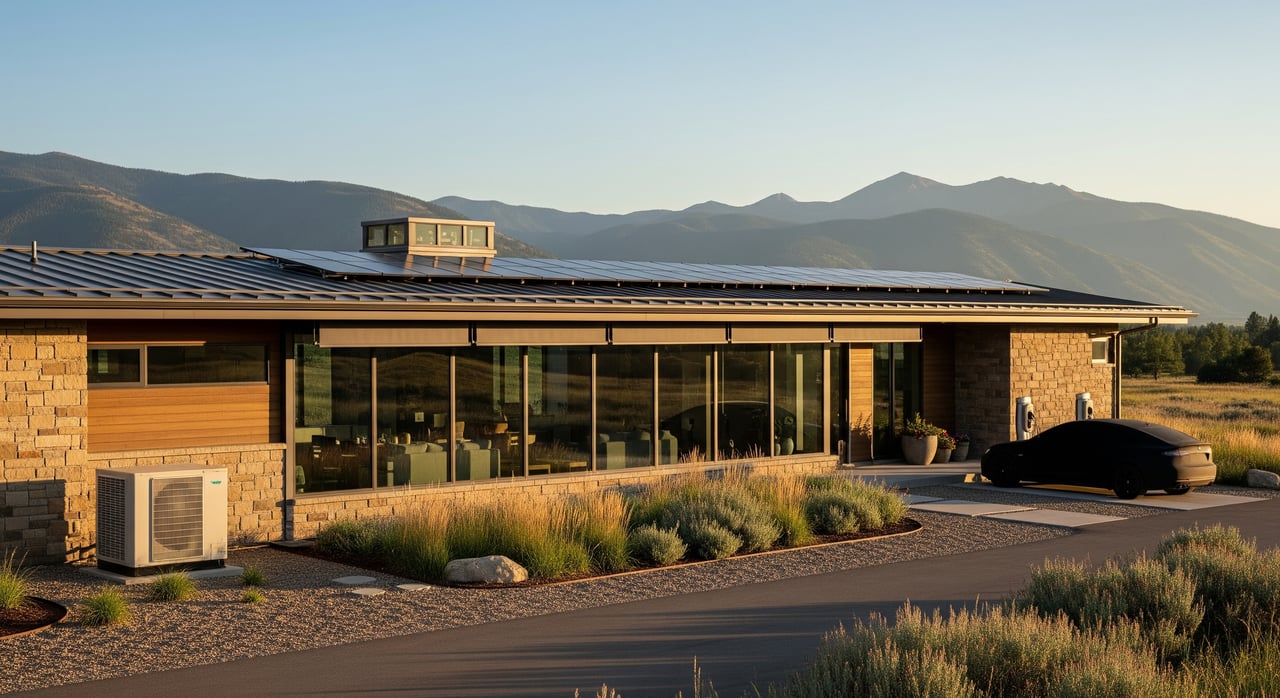
If you live in Manhattan, Montana, you know winter drives your energy bills. In a heating‑dominant climate like the Gallatin Valley, the features that keep heat in and deliver it efficiently make the biggest difference. Whether you are upgrading, buying, or preparing to sell, understanding which energy‑smart elements matter will save money, boost comfort, and support resale value.
This guide highlights the features that perform best in our cold, dry mountain climate, explains what to look for during showings and inspections, and shares practical next steps. Let’s dive in.
Why energy‑smart features matter in Manhattan
Heating‑dominant climate and comfort
Space heating and hot water typically account for the largest share of home energy use here. Improvements that reduce heat loss or deliver heat more efficiently usually offer the best return. A tighter, better‑insulated home also feels more comfortable with fewer drafts and cold spots.
Snow, sun, and rooftop planning
Manhattan sees clear winter days with big overnight temperature drops and seasonal snow. That means roof snow load and insulation details are important, and rooftop equipment must be planned with snow in mind. Montana has good solar potential overall, but winter production is lower due to shorter days and snow cover.
High‑impact upgrades for this climate
Tight, insulated envelope
Your building envelope is the foundation of comfort and savings. Focus on high‑R attic and roof insulation, well‑installed wall insulation with a thermal break, and meticulous air sealing at rim joists, attic penetrations, and around windows and doors. In basements, insulated walls and slab edges can meaningfully cut heat loss.
- Ask for a blower‑door test to verify airtightness and request insulation inspections during an energy audit. Guidance and how‑tos from the U.S. Department of Energy are a helpful starting point at energy.gov.
- In homes with fuel‑burning appliances, include combustion safety testing as part of any audit.
Cold‑climate windows and doors
Windows are a major source of winter heat loss. Look for low U‑factors, low‑E coatings, gas fills, and quality frames with thermal breaks. Triple‑pane units are commonly recommended for better winter performance in cold regions.
- Proper installation and air sealing are just as important as the product specs.
- South‑facing glass can offer passive winter gain if overhangs are sized to limit summer heat.
Heat pumps that work in Montana
Modern cold‑climate air‑source heat pumps can heat efficiently at low outdoor temperatures and are viable as a primary heat source in many Manhattan homes. Ductless mini‑splits provide zoned efficiency for homes without ductwork. Ground‑source heat pumps offer very high efficiency with higher upfront cost and site‑specific installation.
- Compare performance with HSPF and cold‑temperature ratings, and look for inverter (variable‑speed) compressors.
- Some homes use a backup heater or hybrid setup. Proper sizing and controls help limit backup run time.
- For technology basics and buyer guidance, see DOE resources on heat pumps at energy.gov.
Ventilation you can count on
Tight homes need mechanical ventilation to keep indoor air fresh and manage moisture. In our cold, relatively dry climate, heat recovery ventilators (HRVs) are often preferred because they transfer heat without much moisture. Energy recovery ventilators (ERVs) can make sense if humidity control is also a priority.
- Ventilation should be sized to code or ASHRAE 62.2 and commissioned so fans and controls actually deliver the intended airflow.
Efficient hot water
Heat pump water heaters can deliver substantial savings compared with standard electric models. If gas is the fuel, high‑efficiency condensing tankless units are another option. Place heat pump water heaters in conditioned space when possible, and insulate hot water pipes.
Solar PV, batteries, and winter realities
Rooftop solar can offset annual electricity use and support backup power when paired with batteries. Expect lower winter output due to snow and short days, with stronger production in summer. Steeper roof angles and mounting that encourages snow to slide can help panels clear faster.
- Use NREL’s PVWatts to estimate production for your specific roof at pvwatts.nrel.gov.
- Interconnection and net metering rules evolve. Check current policies with your utility and the Montana Public Service Commission before you commit.
Smart controls and everyday savings
Smart thermostats can trim heating use and improve comfort, especially with zoned systems or heat pumps. Whole‑home energy monitoring makes it easier to see where energy goes and track solar production. Everyday upgrades still matter: LED lighting and ENERGY STAR certified appliances reduce costs with minimal effort.
- Browse products and efficiency guidance at energystar.gov.
Incentives, permits, and planning in Montana
Federal tax credits and rebates may apply to qualifying heat pumps, heat pump water heaters, solar PV, and batteries. Programs change, so verify current terms with official sources. The Database of State Incentives for Renewables & Efficiency is a good directory for state and local offerings at dsireusa.org.
- Many projects require permits. For rooftops, roof age, structure, and snow load are key checks in Gallatin County and the Town of Manhattan.
- Interconnection agreements are typically needed for solar and batteries. Review current requirements with your utility before installation.
If you are buying in Manhattan
Ask for clear documentation and plan for winter performance. During showings and inspections, request:
- Recent utility bills, equipment manuals, and maintenance records for HVAC, water heating, and any solar or batteries.
- Heating system details: type of system, fuel, age, service history, and whether backup heat is present.
- Evidence of envelope performance: insulation levels, air sealing work, and results of any energy audit or blower‑door test.
- Ventilation system details: HRV or ERV presence, filter access, and maintenance.
- Solar ownership status and paperwork: owned versus leased, interconnection agreements, and battery warranties.
- Electrical readiness: panel size and space for future needs like heat pumps or an EV charger.
- Any third‑party rating: a HERS Index from resnet.us or a Home Energy Score from energy.gov/eere/buildings/home-energy-score can help you compare homes.
If you are selling in Manhattan
Focus first on upgrades that shine in a heating‑dominant market and are easy to document.
- Quick wins: attic insulation, targeted air sealing, smart thermostat, LED lighting, and fresh weatherstripping around doors and windows.
- Larger investments with buyer appeal: cold‑climate heat pump conversion, heat pump water heater, and an owned rooftop solar system. Batteries add resilience for buyers who value backup power.
- Prepare a clean documentation package: recent audit results, utility summaries, maintenance records, equipment warranties, and disclosures on fuel types and energy costs.
- Keep marketing factual. Highlight installed equipment and upgrades without promising unverified savings.
Next steps
If you are weighing upgrades or comparing homes, start with the envelope and heating system. Layer in smart controls and high‑efficiency appliances, then evaluate solar and batteries based on goals for bills and backup power. When you need a local partner to assess value, marketability, and next steps, we can help.
Ready to plan your move or prep your listing in Manhattan? Schedule a Consultation with Ryan Martello Real Estate for local advice, a clear action plan, and full‑service representation.
FAQs
Which energy upgrades pay back fastest in Manhattan homes?
- Envelope improvements and efficient heating typically deliver the best returns, especially attic insulation, air sealing, and right‑sized cold‑climate heat pumps.
Can a heat pump handle Manhattan’s cold winters?
- Yes, modern cold‑climate heat pumps can cover most heating needs if properly selected and sized, with a backup strategy in place for extreme cold snaps.
Is rooftop solar worth it with winter snow in Gallatin County?
- Solar performs well annually but produces less in winter due to snow and short days, so plan for seasonal variability and consider production estimates with PVWatts.
Should I order a home energy audit before I buy in Manhattan?
- An audit can reveal insulation gaps, air leakage, safety issues, and likely upgrade costs, which helps you compare homes and budget upgrades.
What certifications or labels help buyers compare home efficiency?
- Look for ENERGY STAR appliances and windows, a HERS Index score, or a DOE Home Energy Score to quantify performance and guide improvements.