Is Gallatin Gateway calling your name, but you’re torn between wide‑open acreage and a close‑knit subdivision? You’re not alone. Many buyers love the river, mountain access, and easy reach of Bozeman, yet want the right balance of space, services, and cost. In this guide, you’ll compare the day‑to‑day lifestyle, utilities, rules, risks, financing, and resale realities for each option, plus get clear checklists so you can move forward with confidence. Let’s dive in.
Acreage vs subdivision at a glance
Acreage highlights
- Privacy and elbow room for gardens, animals, outbuildings, and views.
- Flexibility for hobby agriculture and custom uses, depending on zoning.
- More hands‑on upkeep like fencing, driveway care, and pasture management.
- Private well and septic are common, with added responsibility for testing and maintenance.
Subdivision highlights
- Lower‑maintenance yards and often predictable road and snow services.
- Possible community features like maintained roads, lighting, or trails.
- CCRs or an HOA may restrict exterior changes, animals, and parking.
- Broader buyer pool on resale and typically simpler financing.
Lifestyle and land use
What you get with acreage
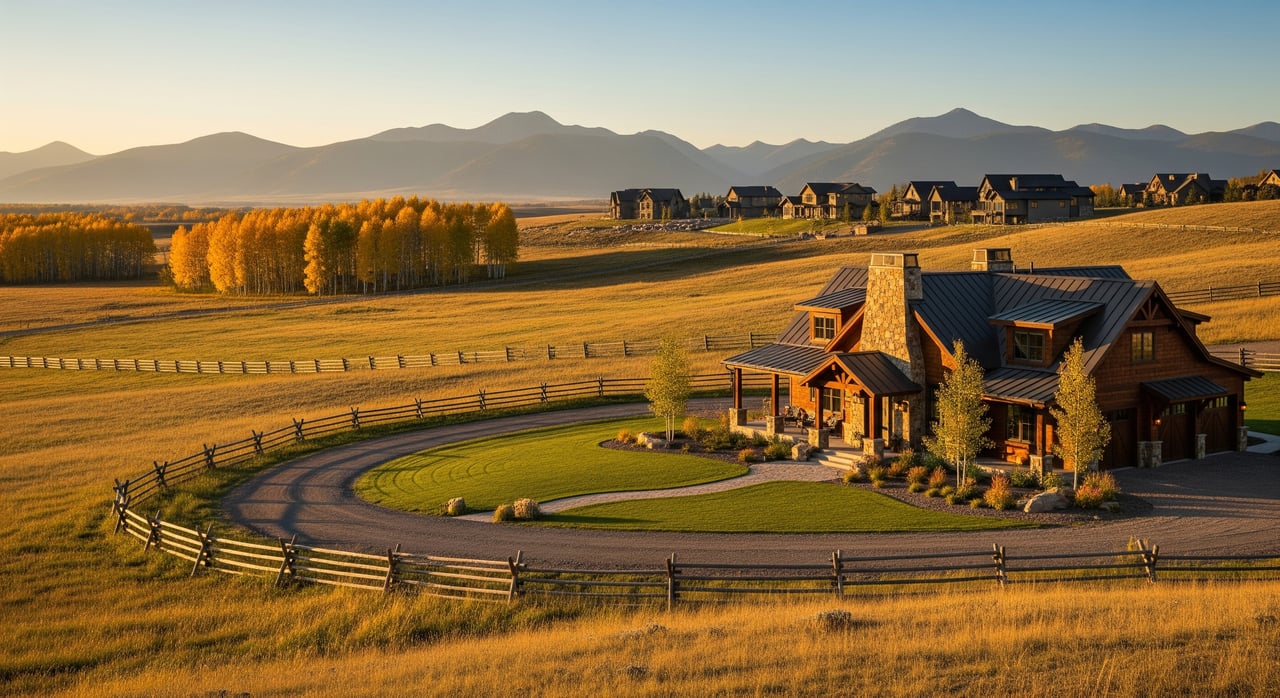
If you want space, privacy, and the option to keep animals or add outbuildings, acreage in Gallatin Gateway is appealing. You can shape the land to your lifestyle, from gardens to hobby barns. You’ll likely take on more routine maintenance and should confirm any limits tied to zoning or conservation easements.
What you get in a subdivision
If you value convenience, predictable services, and being close to neighbors, subdivision living fits well. Smaller lots reduce yard time, and community features can simplify day‑to‑day life. You’ll trade flexibility for guidelines under CCRs or an HOA, which can set standards for architecture, fencing, and storage.
Utilities and services
Water and sewer
- Acreage: Expect a private well and on‑site septic. Plan to verify the well log, yield, and water quality, and confirm septic permits and capacity for your bedroom count.
- Subdivision: You may have a community well or sewer, or municipal connection depending on location. Confirm who owns and maintains shared systems and how costs are allocated.
Power, internet, and cell service
- Power: Both options use local utilities. Rural parcels can face longer service runs and higher hookup costs for new construction.
- Internet and cell: Coverage varies across rural pockets. Verify upload and download speeds and mobile reception at the exact address. Options can include fixed‑wireless, cable or DSL where available, fiber in limited corridors, satellite, or cellular‑based hotspots.
Roads, access, and snow removal
- Subdivisions: Roads are often public or maintained by an HOA or maintenance district. Confirm plowing responsibility and costs.
- Acreage: Many properties rely on private roads or long driveways. Check recorded road maintenance agreements, access easements, and seasonal conditions.
Mail, trash, and emergency services
Rural addresses may use cluster or PO boxes, and trash pickup may not be door‑to‑door. Fire protection can be volunteer or combination districts. Ask about the nearest station, response considerations, and any applicable insurance ratings.
Rules and restrictions
Zoning and permitted uses
Gallatin County sets zoning rules, minimum lot sizes, and use permissions. Limits on accessory buildings, animals, and subdivision activity vary by district. If you have specific plans, verify they’re allowed before you commit.
CCRs and HOAs
In many subdivisions, CCRs shape the exterior look, fencing, parking, and livestock allowances. Review the full CCRs, HOA dues, reserve funds, and any pending assessments so the costs and rules match your expectations.
Permits, wells, septic, and water rights
Permits for wells, septic, and building improvements run through county and state channels. If the property includes surface water irrigation or ditch access, confirm whether water rights transfer and how they are managed. Check title for mineral rights reservations and any conservation easements that limit development.
Environmental and hazard risks
Wildfire
Wildfire risk rises in forested or brushy areas. Older homes may lack defensible space. Factor in mitigation work and confirm insurance availability and cost early in your process.
Flooding and river setbacks
Proximity to the Gallatin River increases the need to check floodplain maps and county ordinances. If a parcel lies in a mapped flood zone, you may need flood insurance and additional permits.
Soils, drainage, and wetlands
Soils affect septic feasibility and foundation design. Some parcels need engineered systems or special foundations. Wetlands and stream buffers can limit where you build, so verify developable area before planning improvements.
Costs and budgeting
Upfront costs
- Acreage: Parcels can cost more per property but sometimes less per square foot of home. If you build, plan for infrastructure items like driveways, culverts, power runs, well drilling, and engineered septic.
- Subdivision: Expect HOA dues and potential hookup fees. Developers often absorb major infrastructure costs during platting and build‑out.
Ongoing costs
- Acreage: Budget for road grading, snow management, fencing, pasture care, and well/septic maintenance. Insurance can be higher in areas with wildfire exposure.
- Subdivision: HOA dues cover shared services. Your personal maintenance burden is usually lower.
Financing and insurance
Financing differences to expect
Lenders generally view subdivision homes with standard utilities as more straightforward for conventional, FHA, or VA financing. Rural acreage or vacant land is more specialized. Land loans often require larger down payments and carry higher interest rates. Construction loans add steps and time if you plan to build.
Programs to explore
If you and the property qualify, you can explore conventional financing, VA or FHA for existing homes that meet standards, and USDA Rural Development in applicable cases. Speak to lenders early so you know your options and timeline.
Insurance checkpoints
Wildfire exposure, distance to fire protection, and floodplain location can affect premiums. Get quotes before you finalize an offer, and document any mitigation measures like defensible space.
Resale and timing
Marketability
Subdivision homes typically draw a wider buyer pool, which can help them sell faster, especially near Bozeman. Acreage sells to a more specific set of buyers but can command a premium for views, privacy, or agricultural potential.
Timelines
A subdivision resale with standard utilities can often close in 30 to 45 days, depending on financing. Acreage deals that rely on well, septic, soils, or specialized permits may take longer to satisfy due diligence.
Due‑diligence checklists
For acreage buyers
- Title and easements for access, utilities, and irrigation.
- Survey or confirmed legal description and boundaries.
- Well details: well log, yield, depth, and recent water‑quality tests for coliform, nitrate, arsenic, and more. Confirm any shared‑well agreements.
- Septic: permit history, as‑built plans, soils/percolation tests, and suitability for your bedroom count.
- Zoning, setbacks, and allowed uses per Gallatin County.
- Road access: public vs private, recorded maintenance agreements, and seasonal access.
- Fire protection: local district, mitigation needs, and any available ratings.
- Floodplain and wetlands: check maps and county requirements.
- Mineral rights, conservation easements, and any active leases.
- Utilities availability and estimated hookup costs for power, propane, and internet.
- Site constraints: slope, soils, drainage, sun exposure, and view corridors.
For subdivision buyers
- CCRs/HOA: rules, dues, design standards, reserve study, and assessment history.
- Road ownership and maintenance responsibility.
- Utility connections and any shared community systems.
- Lot and building envelope with setbacks.
- Planned improvements that could lead to assessments.
- Landscaping and irrigation obligations and any water use rules.
- Amenity access and current condition.
- Title review and any recorded easements.
For sellers of either property type
- Gather permits, surveys, well and septic records, HOA docs, tax history, and title exceptions.
- Provide a thorough disclosure of known material facts.
- Consider pre‑listing well and septic inspections to speed negotiations.
- For acreage: document any lease income, conservation agreements, and shared‑use arrangements.
Which fit is right for you?
Choose acreage if you want privacy, room to spread out, and flexibility for animals or outbuildings, and you are comfortable with hands‑on maintenance and private systems. Choose a subdivision if you want convenience, predictable services, and a simpler path to financing, with the tradeoff of CCRs and closer neighbors.
If you’re still unsure, start with a needs list: your daily routines, must‑have features, and tolerance for maintenance. Then tour a mix of properties in Gallatin Gateway to experience the differences in access, utilities, and setting.
Next steps in Gallatin Gateway
- Clarify your budget and financing path, especially if you’re considering land or construction.
- Pull key records early: well logs, water‑quality tests, septic permits, CCRs, and HOA financials.
- Map risks like wildfire and floodplain, and price out insurance.
- Confirm access, road maintenance, and seasonal conditions for any rural parcel.
- Align your timeline with permit and lender requirements.
When you’re ready for local guidance, you deserve a boutique advisor who knows both acreage and subdivision living across the Bozeman region. With 50+ successful closings and a track record that spans starter homes to multi‑acre estates, Ryan brings a practical, client‑first approach to every move. If you want clear answers and a smooth path to your next home, connect with Ryan Martello Real Estate.
FAQs
What should I know about financing acreage in Gallatin Gateway?
- Vacant land and rural parcels often require higher down payments and may use specialized loans, while existing homes with compliant wells and septic can be financeable through conventional, FHA, or VA programs.
How do I evaluate a private well on an acreage property?
- Ask for the driller’s well log, recent yield tests, and a certified water‑quality analysis, and confirm any shared‑well agreements and seasonal performance.
Do subdivisions in Gallatin Gateway have resale advantages?
- Subdivisions usually attract a broader buyer pool and may sell faster, though desirable acreage with good access and views can still command strong demand.
What insurance issues should I expect with rural acreage?
- Wildfire exposure, distance to fire protection, and floodplain location can increase premiums, so get quotes early and document mitigation like defensible space.
Are there special rules near the Gallatin River?
- Yes. Properties near rivers or streams can face floodplain regulations, setbacks, wetlands rules, and potential flood insurance requirements, so verify maps and permits before you offer.