Luxury home prices in Big Sky can look hard to decode at first glance. One property may feel expensive at a certain price per square foot, while another sells for far more because of where it sits, how it lives, and what it gives you access to. If you are buying, selling, or simply trying to understand this market, it helps to know what actually drives value here. Let’s dive in.
Big Sky luxury pricing starts with context
Big Sky is not a one-note market. It is an unincorporated mountain resort community at the base of Lone Peak, about 45 miles south of Bozeman Yellowstone International Airport, and it stretches across both Gallatin and Madison counties. It also includes many HOAs and special districts, which means pricing can shift based on location, access, and property setup.
The community itself is shaped by tourism and seasonal demand. Visit Big Sky notes that the area has about 3,000 full-time residents but can host around 15,000 people during peak periods. That difference helps explain why convenience, recreation access, and turnkey lifestyle features can carry so much weight in the luxury segment.
The headline numbers also need context. Public listing trackers show a market with about 167 homes for sale, a median listing price near $3.995 million, and roughly $1,226 per square foot, while median sale price data across all property types comes in closer to $2.42 million. In a market that includes everything from condos to large estates, broad averages only tell part of the story.
Why broad averages can mislead
In Big Sky, luxury homes should not be judged by the citywide median alone. The gap between listing and sale metrics often comes down to methodology and property mix, not a simple rise or fall in value. A ski-access residence near Mountain Village and a private Canyon estate may both be luxury homes, but they follow different pricing logic.
That is why the best comparisons are usually hyper-local. You want to compare homes in the same subarea, with similar access, similar views, and a similar amenity stack. Bedroom count matters, but in Big Sky it is rarely the whole story.
Ski access drives major premiums
Big Sky Resort is the clearest anchor for luxury pricing in the area. The resort reports 5,850 skiable acres, 40 lifts, 400 inches of annual snowfall, and 4,350 vertical feet. It also says its 2025 infrastructure buildout, including the Explorer Gondola and Kircliff, is reshaping Mountain Village and improving base-to-summit access.
For luxury buyers, true ski access often creates a meaningful pricing premium. Homes with genuine ski-in/ski-out positioning, easy lift access, or a short walk to Mountain Village tend to command more than similar homes farther from the slopes. In practical terms, convenience on a powder day has real value.
Not all “close to skiing” is equal, though. A home that offers direct access may sit in a different pricing tier than one that requires a shuttle, a long walk, or extra driving. In Big Sky, access should be measured carefully because small differences in location can create large differences in value.
Views and privacy matter almost as much
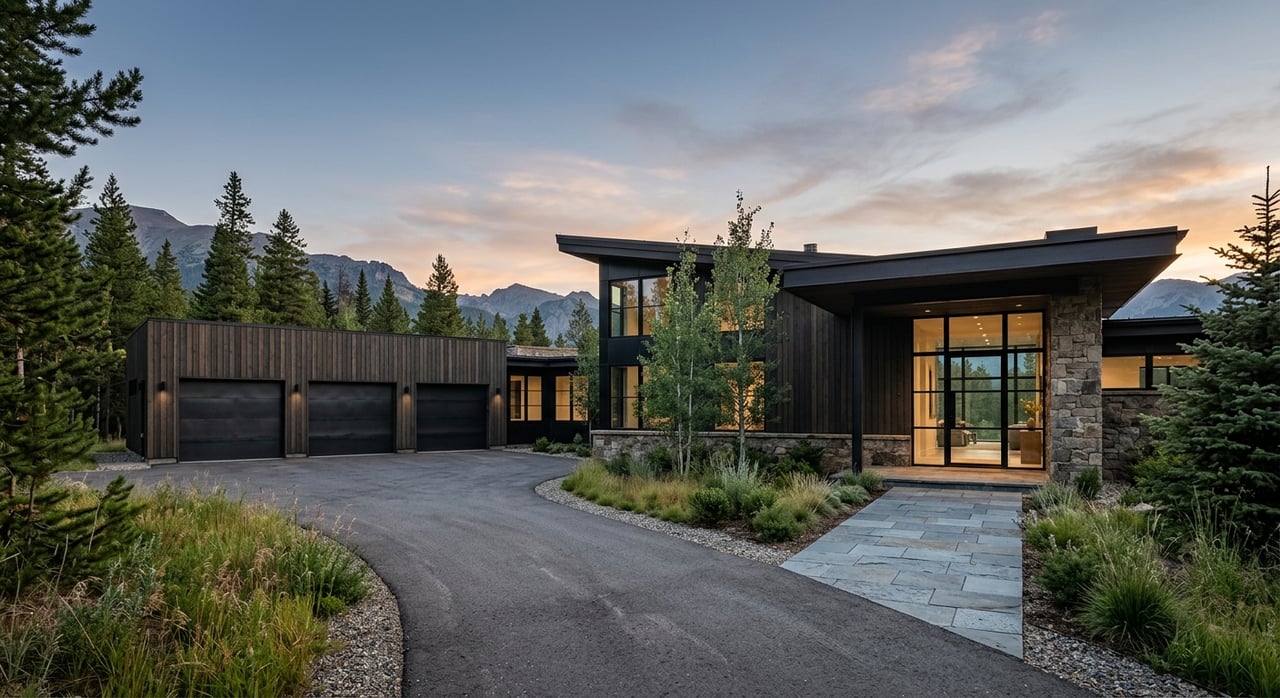
In a mountain market, what you see from the property is part of what you are buying. Big Sky is known for views of Lone Peak, the Spanish Peak Range, and Gallatin Canyon, and buyers at the top end often place a premium on homes that capture those views in a meaningful way. Large windows, elevated siting, and outdoor spaces oriented toward the landscape all support higher pricing.
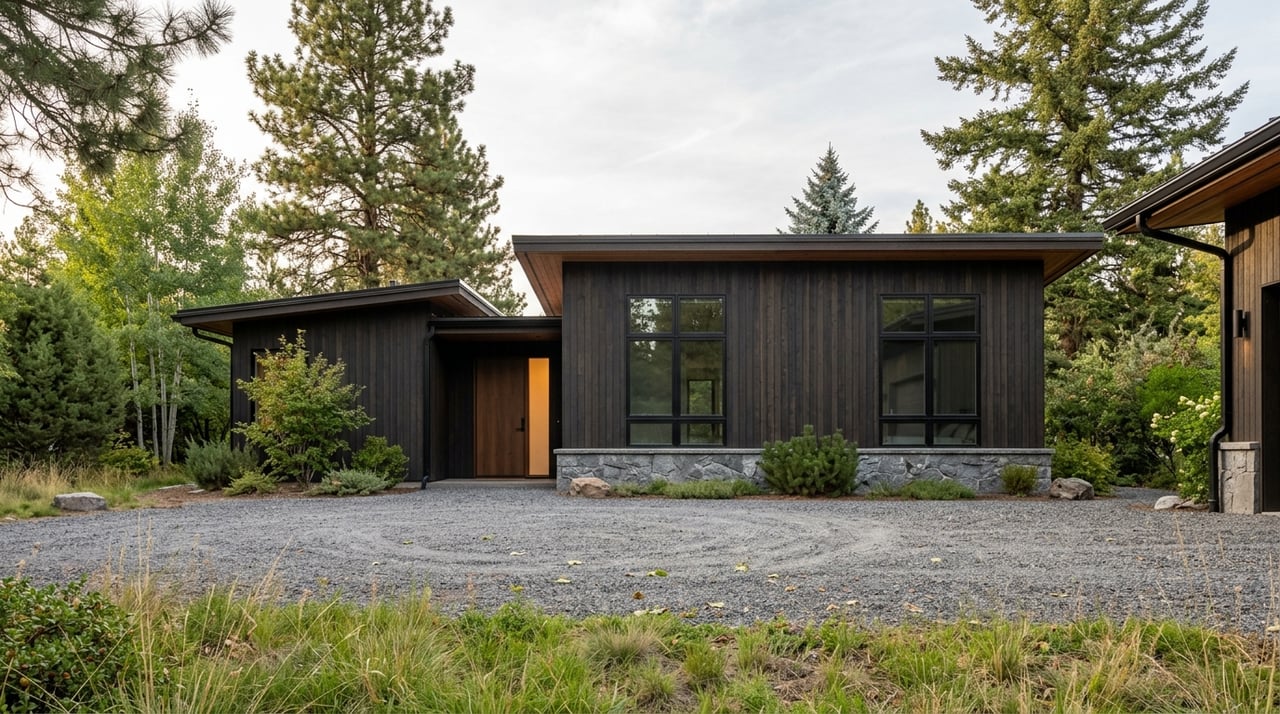
Privacy also matters. Two homes may have similar square footage and finish quality, but the one with more separation from neighbors, stronger view corridors, and less visual intrusion can stand apart quickly. Better sun exposure and a stronger sense of retreat also tend to support value.
This is one reason luxury pricing in Big Sky is not just about the house itself. The relationship between the structure and the land often has a major impact on what buyers will pay.
Mountain, Meadow, and Canyon each price differently
Big Sky includes three distinct areas: the Mountain, the Meadow, and the Canyon. Each one attracts buyers for different reasons, and each one tends to support a different kind of premium.
Mountain pricing reflects resort access
The Mountain area includes Big Sky Resort, Montage, Moonlight Basin, and One&Only. Here, buyers often pay for direct access to skiing, a strong resort identity, and proximity to high-end hospitality and services. Prestige and convenience tend to be central drivers of value.
Meadow pricing reflects daily convenience
The Meadow is Big Sky’s more walkable core. It includes Town Center, Meadow Village Center, grocery access, medical services, golf, and winter recreation. Luxury pricing here often reflects year-round livability and convenience rather than pure resort positioning.
Canyon pricing reflects space and privacy
The Canyon follows the Gallatin River corridor and is often valued for fishing, rafting, hiking access, and a more unplugged setting. Buyers looking in this area may prioritize privacy, acreage, and outdoor connection over being close to lifts. That creates a different kind of luxury profile and a different kind of comp set.
Club memberships and amenities can create a value jump
One of the biggest pricing differences in Big Sky comes from private club access. In some cases, two homes may look similar on paper, but one commands a much higher price because it includes access to a members-only lifestyle offering.
Yellowstone Club is a private ski, golf, and adventure community with 2,900 private skiable acres, direct access to Big Sky Resort, golf, and wellness and fitness amenities. Moonlight Basin emphasizes ski, golf, private-road, ski-valet, concierge access, and reciprocity with Spanish Peaks. Spanish Peaks Mountain Club offers a ski-in/ski-out clubhouse, golf-course frontage, pools, fitness, dining, and preferred access to Montage Big Sky amenities such as the spa, restaurants, bowling alley, and simulator room.
For buyers, this means the value is not only in the home. It is also in the access, services, and convenience attached to ownership. For sellers, it means club affiliation and amenity details should be positioned clearly because they can materially affect how the market sees your property.
The home itself still matters
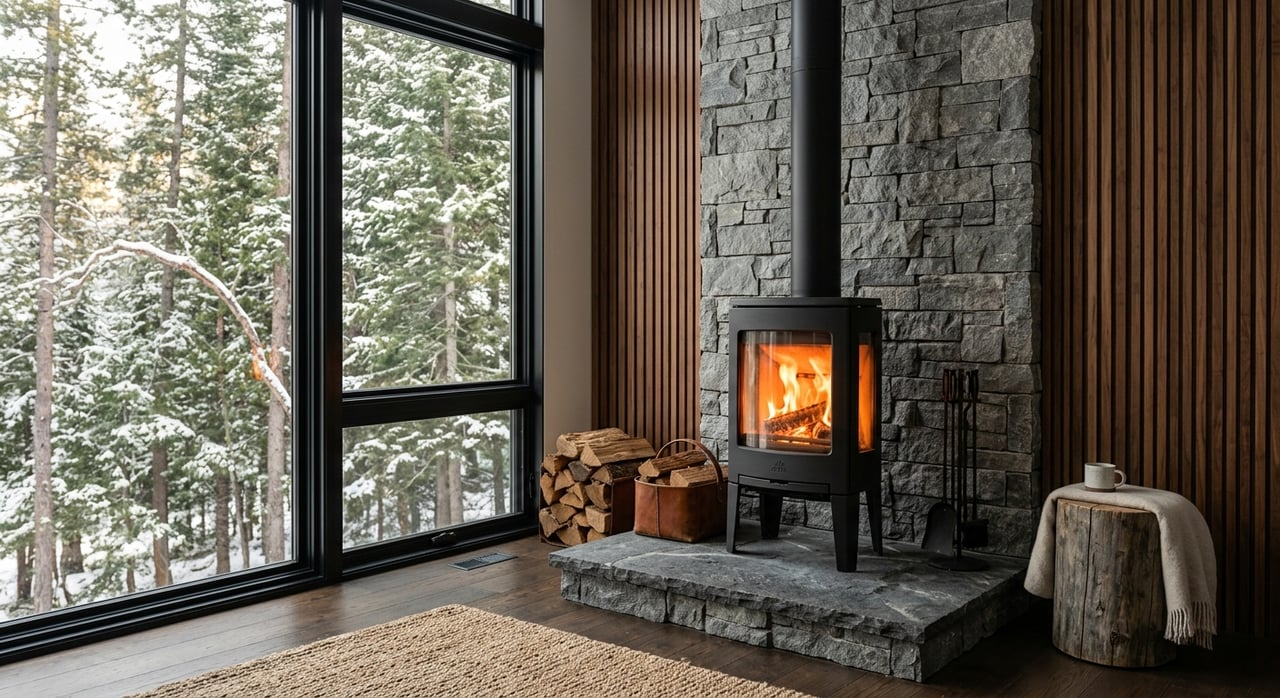
Even in a lifestyle-driven market, the property-level details still play a major role. High-end buyers in Big Sky are often looking for homes that feel aligned with the setting and are ready to enjoy right away. Turnkey livability can support stronger pricing, especially when buyers want immediate use without a renovation timeline.
Features commonly associated with higher-end demand include:
- Large windows that frame mountain views
- Open-concept floor plans
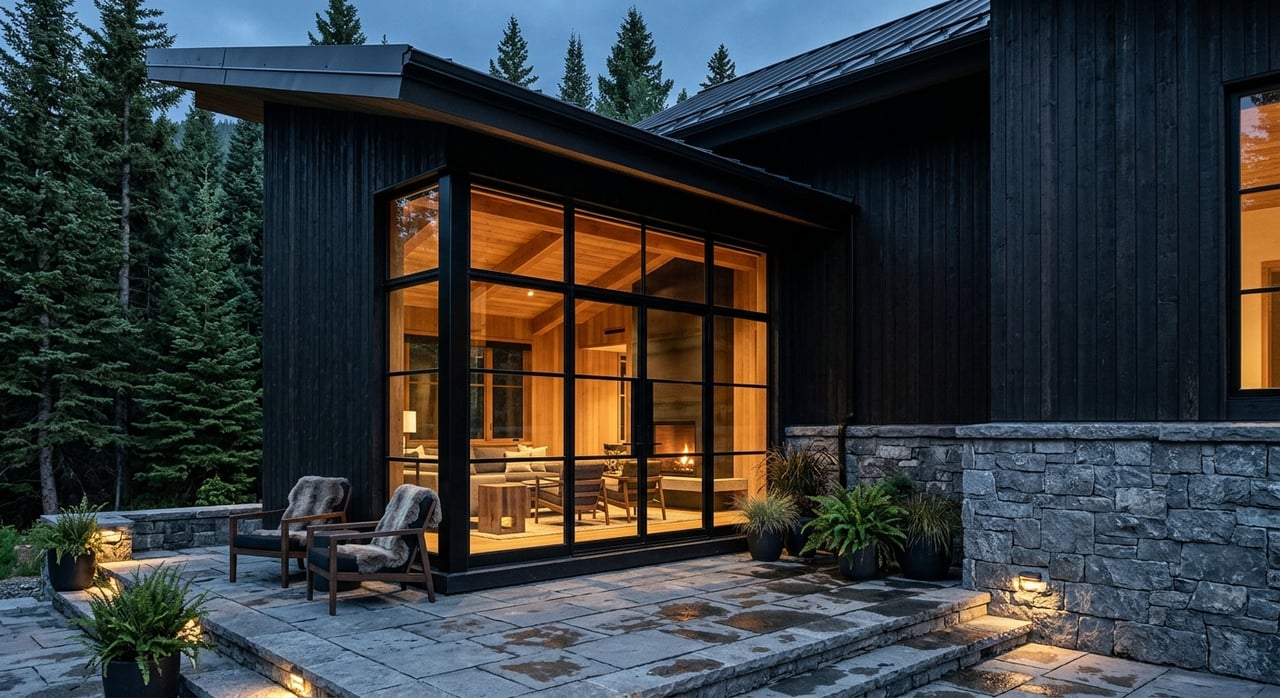
- Terraces and decks for year-round outdoor living
- Ski storage and garage space
- Multiple living levels
- Strong finish quality
- A layout that supports both privacy and gathering
The market often rewards the full package rather than one standout feature. A beautifully finished home may still trail a simpler one if the simpler home has better views, better privacy, and stronger access. In Big Sky, buyers are often evaluating how the property lives as a whole.
How to evaluate a luxury listing in Big Sky
If you want to understand whether a listing is priced well, a simple average price per square foot is not enough. A stronger framework is to compare homes based on the factors that most directly shape value in this market.
Here are seven of the most useful pricing filters:
- Exact subarea and elevation
- True ski-access tier
- View permanence and privacy
- Club or HOA access and restrictions
- Amenity package
- Age and finish quality
- Lot size and usable outdoor space
This approach helps you compare like with like. In a market with resort condos, mountain modern homes, and legacy estates, the right comp set is usually the one that matches the same access class and lifestyle offering, not just the same bedroom count.
What this means for buyers and sellers
If you are buying in Big Sky, it helps to decide early which value drivers matter most to you. Do you care most about lift access, privacy, club amenities, year-round convenience, or acreage? Once you know that, you can compare options with a lot more confidence.
If you are selling, pricing strategy should reflect the property’s true position within its submarket. A home near Mountain Village should not be evaluated the same way as one in the Meadow or Canyon, and a club-connected property should not be marketed like a standalone home without that amenity stack. The details that drive your premium need to be identified and presented clearly.
Big Sky rewards precise analysis. If you want a custom pricing review built around your property’s subarea, access, views, and amenities, Ryan Martello Real Estate can help you sort through the details and create a strategy that fits the market.
FAQs
What drives luxury home prices in Big Sky the most?
- The biggest drivers are subarea location, ski access, views, privacy, club or amenity access, and the overall lifestyle package tied to the property.
How important is ski-in ski-out access in Big Sky luxury real estate?
- It is one of the clearest pricing premiums in the market, especially near Mountain Village, because direct or easy slope access can put a home in a higher value tier.
Do Mountain, Meadow, and Canyon homes in Big Sky follow the same pricing logic?
- No. Mountain homes often reflect resort access and prestige, Meadow homes often reflect convenience and year-round livability, and Canyon homes often reflect privacy, acreage, and outdoor access.
Why do club communities affect Big Sky home values so much?
- Private club communities can add value because ownership may include access to skiing, golf, concierge services, fitness amenities, private roads, and other lifestyle benefits beyond the home itself.
Is price per square foot enough to value a luxury home in Big Sky?
- No. It can be a helpful reference point, but it should be paired with subarea, access, views, privacy, amenities, finish quality, and lot usability to produce a more accurate pricing picture.
How should you compare luxury listings in Big Sky?
- The best approach is to compare homes in the same subarea with a similar ski-access tier, similar views and privacy, similar club or HOA setup, and a similar amenity package.