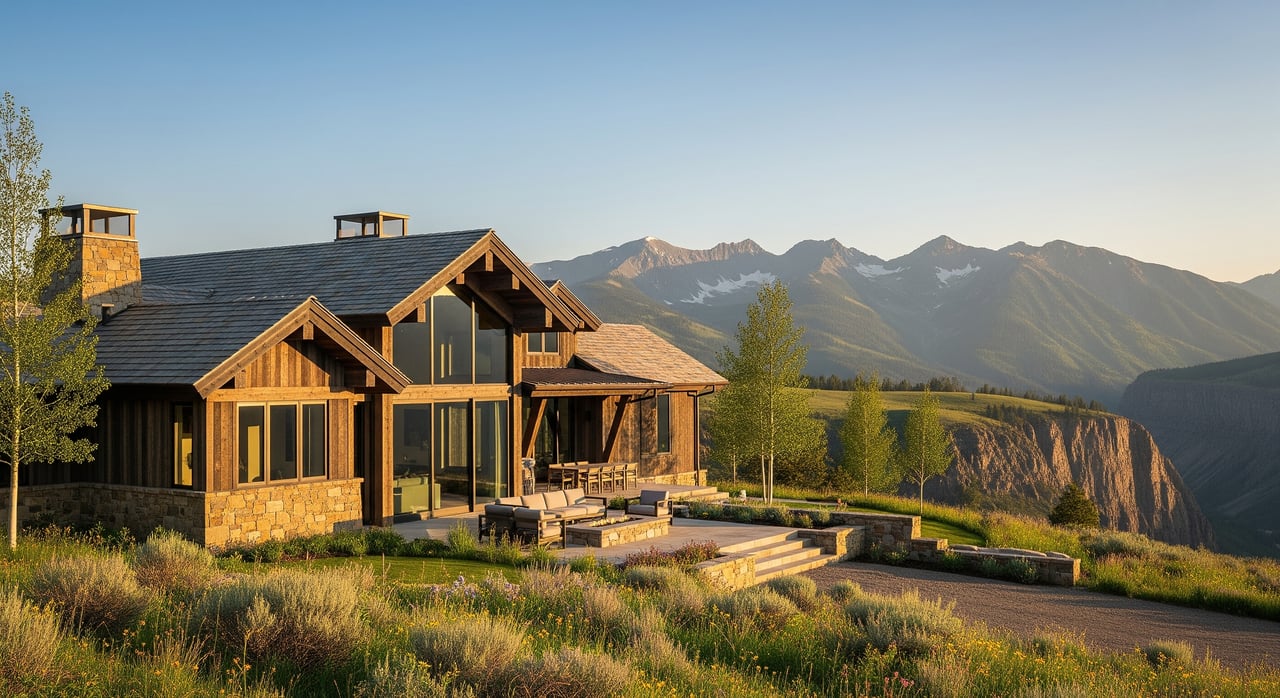
Trying to decide between Big Sky’s Meadow, Mountain, or Canyon areas? You are not alone. Each part of Big Sky offers a distinct setting, housing mix, and daily rhythm, which can make your choice feel big. In this guide, you will learn how these three areas compare on lifestyle, access, ownership, rental potential, and seasonal realities so you can move forward with clarity. Let’s dive in.
Meadow vs Mountain vs Canyon at a glance
| Area | Core vibe | Access to services | Housing mix | Terrain & winter notes |
|---|---|---|---|---|
| Meadow | Town-centric convenience | Closer to everyday shops and community services | Condos, townhomes, and single-family homes | More open terrain in places, winter driving generally more straightforward where roads are prioritized |
| Mountain | Resort-forward lifestyle | Closer to base-area operations and alpine recreation | Condos, resort condos, townhomes, chalets, and single-family homes | Steeper terrain and higher snow loads in places, confirm road maintenance and winter access |
| Canyon | River-and-forest setting | Oriented along a major corridor for regional access | Cabins and single-family homes with varied lot sizes | Proximity to waterways and canyon roads, verify floodplain mapping and winter driving conditions |
These are common local descriptions. Always verify specifics by subdivision, HOA, and county records because conditions and rules can change within short distances.
Meadow area overview
The Meadow area is commonly associated with town conveniences and community services. If you want easier access to groceries, dining, and everyday needs, this cluster can be a practical fit. Many properties here appeal to full-time living and second-home use, depending on the subdivision.
Housing includes condos, townhomes, and single-family homes. Development spans a range of eras, so you will find both established neighborhoods and newer builds. Walkability varies by location, so confirm the exact distance to amenities you care about.
Winter driving can be simpler where roads are prioritized for snow removal. Still, check who handles plowing for your street and driveway. For utilities, compare whether a property is on community water and sewer or private well and septic, since that will affect costs and maintenance.
Mountain area overview
The Mountain area is centered on resort access and alpine recreation. If lift proximity and a resort-forward lifestyle are high on your list, this cluster is where many buyers focus. Seasonal traffic and event activity can increase near base operations, which is part of the energy some owners want.
You will see a broad mix of property types: condos, resort condos, townhomes, chalets, and single-family homes. Some communities offer ski access options. Because terrain can be steeper and snow loads higher in places, budget for professional snow removal and roof maintenance, and verify the road maintenance plan for your specific address.
Ownership costs can vary based on HOA services and amenities. Review association budgets, reserves, and any special assessments before you make an offer.
Canyon area overview
The Canyon area stretches along a major river and highway corridor. If you prefer a more tucked-away, river-and-forest feel with quick regional access, this setting may fit your style. Services are more spread out, so plan your errands and deliveries accordingly.
Homes range from cabins to larger single-family properties with varied lot sizes. Because some parcels sit near waterways or on sloped ground, it is important to check floodplain maps, slope stability, and access conditions. Road noise can vary along the corridor, so tour at different times of day.
In winter, canyon driving can feel different than in-town routes. Confirm who maintains your road, whether traction or tire requirements are common for your commute, and how deliveries access your property.
Location, access, and daily life
- Commutes and errands. The Meadow often eases everyday errands, the Mountain puts you closer to resort activities, and the Canyon offers regional access along a main route. Confirm typical drive times for your daily rhythm across seasons.
- Elevation and aspect. Sun exposure, wind, snow accumulation, and views can vary by slope and aspect. Walk a property morning and afternoon to understand light and weather.
- Winter maintenance. Ask which roads are primary versus secondary for plowing. Clarify who pays for snow removal and how it is contracted.
Housing stock and lot types
- Meadow. A mix of condos, townhomes, and single-family homes with neighborhood amenities nearby depending on location.
- Mountain. A wide range including resort condos and chalets, with some communities offering ski access. Lots can be steeper.
- Canyon. Cabins and single-family homes on varied terrain. Verify site characteristics such as tree cover, slope, and river proximity.
Newer versus older construction can differ by subdivision. Review building permits and past improvements so you understand age, systems, and ongoing maintenance needs.
Amenities and services
- Resort amenities. The Mountain area is closest to base-area lifts and alpine services. Ski schools and lodges may be within a short drive or walk depending on your specific building.
- Town services. Grocery, medical clinics, restaurants, and retail are commonly accessed from the Meadow. Availability and hours can vary seasonally.
- Outdoor recreation. Across all three areas you will find trail access, biking, fishing, and winter sports nearby. Verify trailheads, river access points, and seasonal closures for your favorite activities.
- Infrastructure. Compare water and sewer service versus wells and septic. Confirm broadband options for remote work or streaming.
Market drivers to watch
- Proximity to lifts and resort access can influence pricing and demand. Views, lot size, finish level, and amenities also matter.
- HOA assessments and services can vary by building or subdivision. Review budgets and reserve studies before you buy.
- Rental potential depends on rules and location. Some properties are designed for vacation use, while others focus on full-time living.
- Inventory and seasonality can shift quickly in resort markets. Track listings and recent closed sales that are truly comparable.
Ownership costs and governance
Big Sky spans county lines, and the Madison County portion can sit near Gallatin County boundaries. That means taxes, permitting, utilities, and fire or road districts may change within a short distance. Confirm the exact jurisdiction for any property you are considering.
- Property taxes. Check county assessor records for the parcel’s history and current assessed value.
- HOA. Review CC&Rs, bylaws, budgets, reserve studies, and recent special assessments.
- Utilities. Verify who provides water, sewer, electricity, trash, and snow removal. Private well and septic require routine maintenance.
- Insurance. In mountain environments, account for wildfire risk, wind, and snow load. Get quotes early and ask about mitigation steps.
Short-term rentals and usage rules
Short-term rental permissions vary by county, zoning, and HOA. Even within the same area, rules can shift by building or street. Some resort buildings participate in rental programs, while others prohibit nightly rentals.
Before you plan to rent, confirm all requirements: allowable use, licensing or permits, local taxes, and any caps or registration rules. If a property participates in a rental program, compare commission structures and owner responsibilities.
Environmental and seasonal factors
- Flood and river corridors. If a property is near a river or creek, review FEMA floodplain maps and any local overlays. Ask about historic high-water events.
- Avalanche and slope stability. In alpine terrain, check mapped hazard zones and past reports. Inspect for proper roof and site design for snow management.
- Wildfire risk. Request local hazard maps and mitigation guidelines. Evaluate defensible space, materials, and access for emergency services.
- Snow and sun. Aspect affects snowpack and solar gain. Plan for roof shoveling, deck management, and safe snow storage.
Which area fits your goals
- You want everyday convenience. You might prioritize the Meadow for access to shops and community services, while confirming your exact route to the resort.
- You live for ski access and alpine energy. You might focus on the Mountain area near base operations and trails, while budgeting for winter services and HOA costs.
- You want a tucked-away setting and regional access. You might explore the Canyon, while verifying floodplain maps, winter driving, and service providers.
Buyer due diligence checklist
Use this list for any property in the Meadow, Mountain, or Canyon:
- Confirm legal description, parcel boundaries, and any easements.
- Check floodplain, avalanche, and wildfire hazard maps for the site.
- Verify water source and sewer method, plus age and maintenance records.
- Review HOA CC&Rs, budgets, reserves, special assessments, and rental rules.
- Confirm electric capacity and internet options that meet your needs.
- Pull property tax history and current assessed value from the county.
- Verify permits for recent improvements like roofs, additions, or decks.
- Obtain insurance quotes that include wildfire and snow-load considerations.
- Clarify winter access and snow removal responsibilities and costs.
- Confirm short-term rental eligibility and any licensing or tax requirements.
Seller tips to maximize resale
- Highlight proximity to lifts, trails, or town services with accurate, current info.
- Document upgrades, maintenance, and utility details that reduce buyer uncertainty.
- Provide HOA documents, budgets, and reserve studies up front when possible.
- Address seasonal items before listing, such as roof maintenance and snow management plans.
- Stay aware of local plans for resort or infrastructure changes that could influence value.
Ready to compare properties on the ground and make a confident decision in Big Sky? Reach out to schedule a tour plan and a neighborhood-by-neighborhood strategy with Ryan Martello Real Estate.
FAQs
What is the main difference between Meadow, Mountain, and Canyon in Big Sky?
- The Meadow skews toward town conveniences, the Mountain clusters around resort access and alpine terrain, and the Canyon follows a river-and-corridor setting with a more tucked-away feel.
Is winter access a concern for Big Sky buyers comparing these areas?
- Yes, winter conditions vary by elevation and road type, so confirm who plows the road, how often service occurs, and whether your driveway and roof need dedicated snow management.
How do short-term rental rules work across Big Sky neighborhoods?
- Permissions depend on county, zoning, and HOA rules, and can change within short distances, so verify eligibility, permitting, and taxes for the exact property and building.
What ownership costs should I compare before buying in Big Sky?
- Compare property taxes, HOA assessments and reserves, utilities and snow removal, insurance for wildfire and snow load, and maintenance tied to wells or septic if applicable.
What environmental risks should I evaluate when choosing a Big Sky property?
- Review FEMA floodplain maps near rivers or creeks, check avalanche or slope-related hazards in alpine areas, and assess wildfire risk and recommended mitigation for the parcel.